

S 4.2 (Anadolu Auditorium)
- Day: Day 2
- Time: 12:20 - 13:20
- Room: Anadolu Auditorium
- Moderator(s): Dr. Özlem İritaş

 s-4-2-transforming-agriculture-systematic-solutions-in-the-wefe-context-concept-note-1
 pdf
pdf 626.53 KB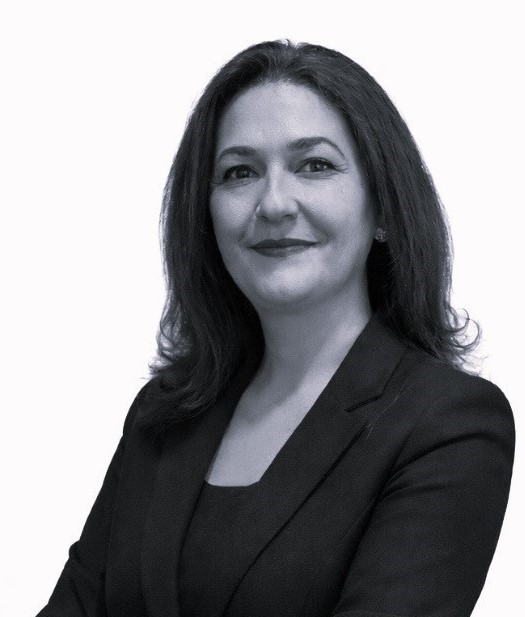
Dr. Özlem İritaş
Head of Foreign Relations Department, General Directorate of State Hydraulic Works (DSİ)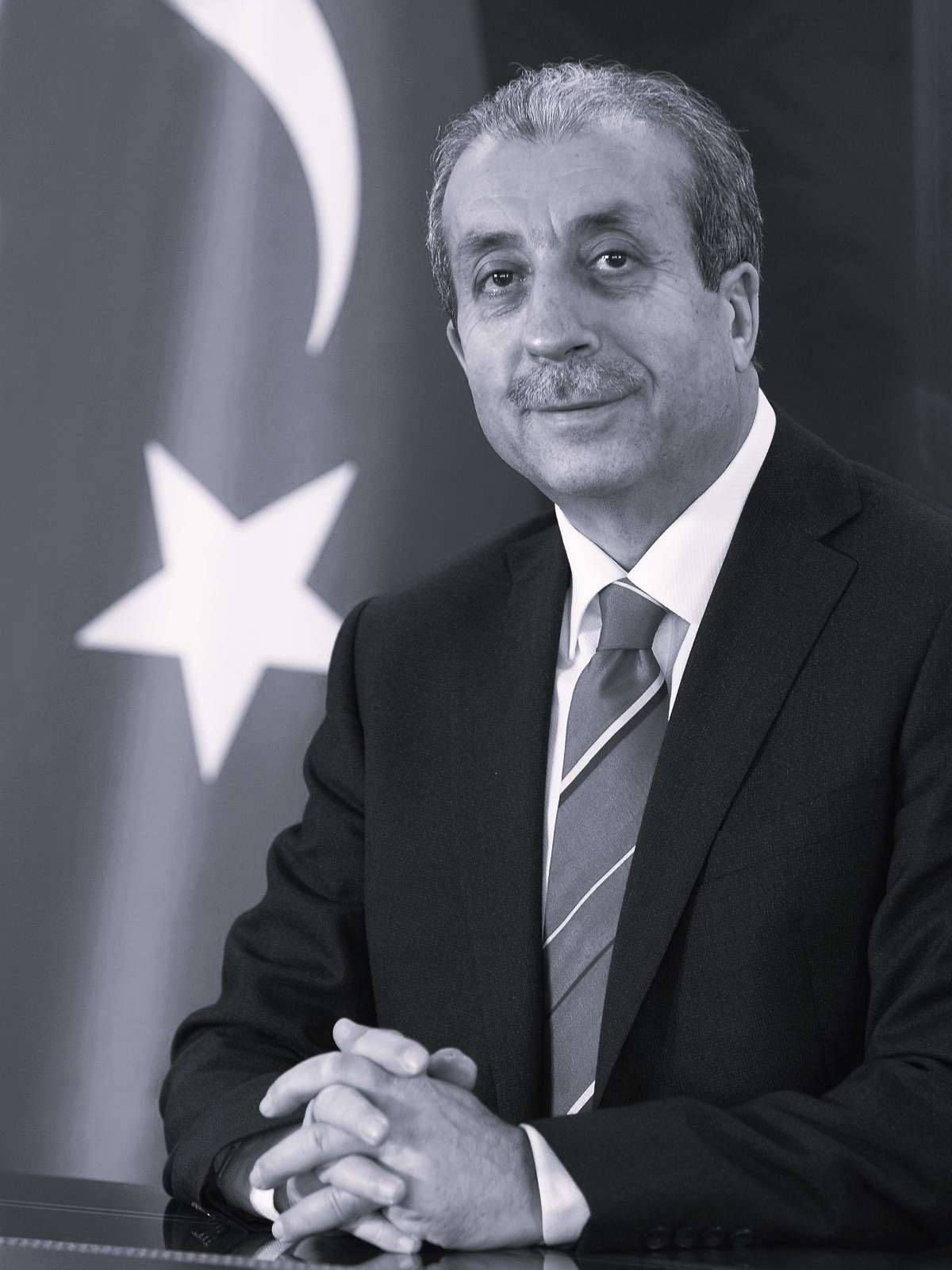
Dr. M. Mehdi Eker
Member of the Presidential Council on Agriculture and Food Policies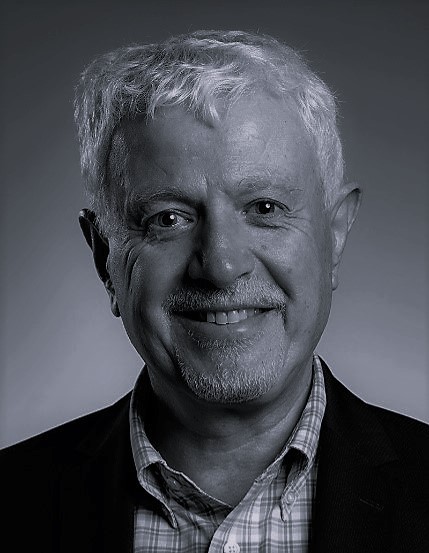
Prof. Rabi Mohtar
Vice-President, International Water Resources Association (IWRA)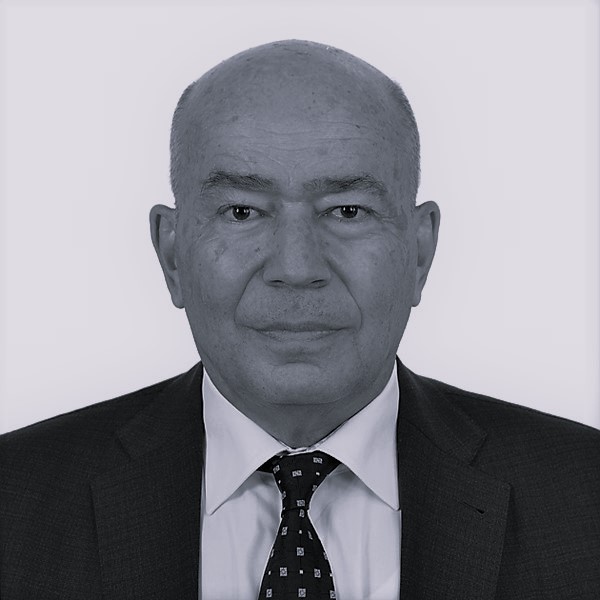
İrfan Aker
Chairman of the Executive Board, DOLSAR Engineering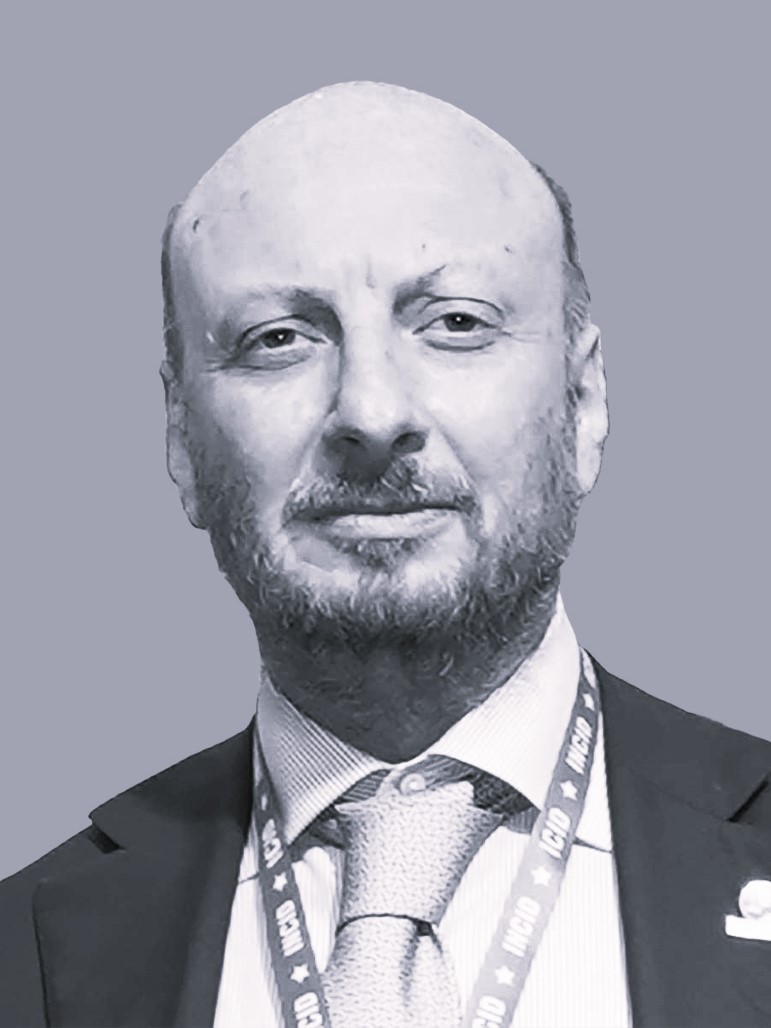
Dr. Marco Arcieri
President, ICID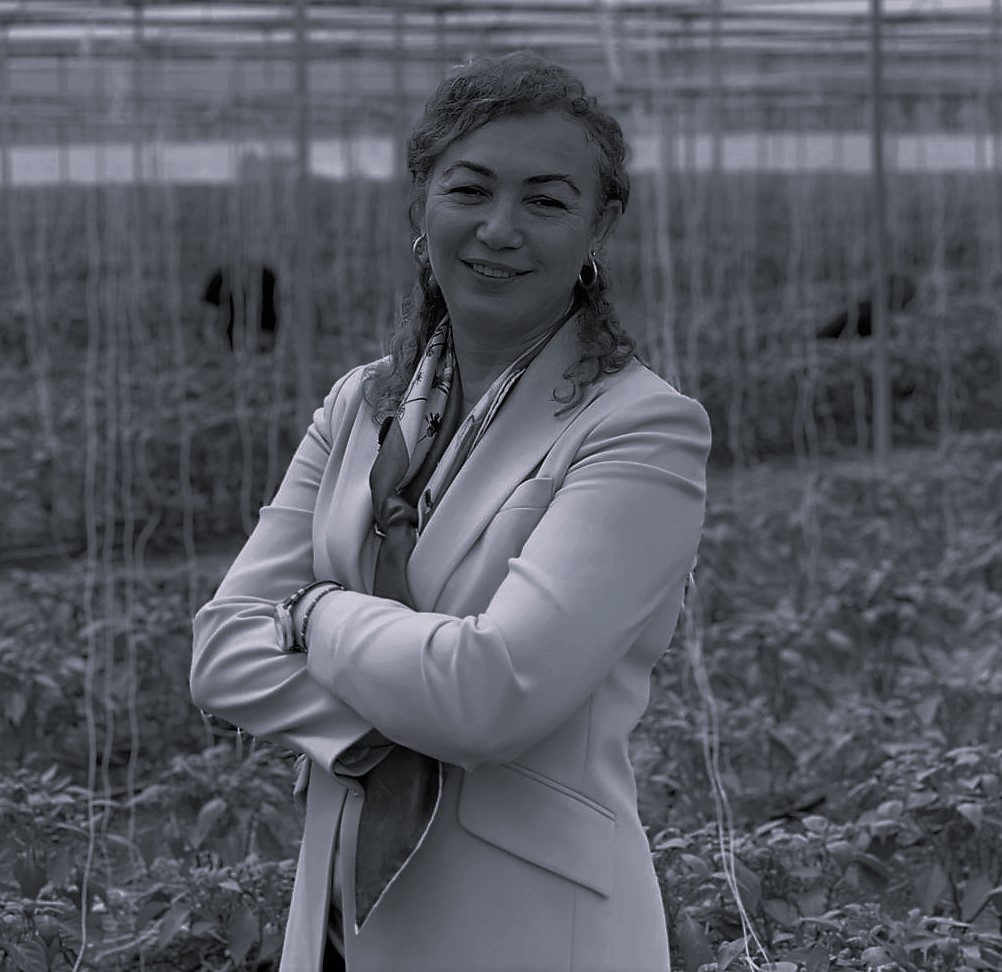
Dr. Ayşegül Selışık
Asistant Representative, FAO Türkiye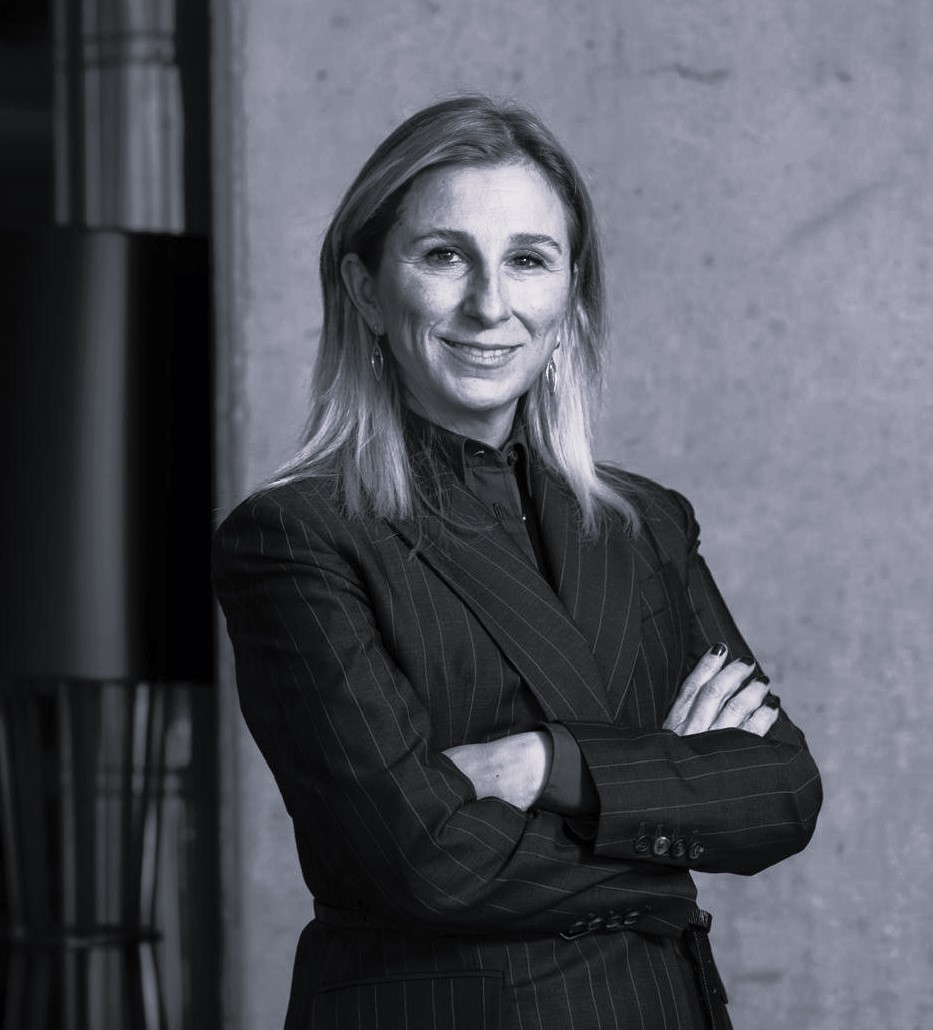
Ebru Özdemir
Chairperson of the Board, Limak Holding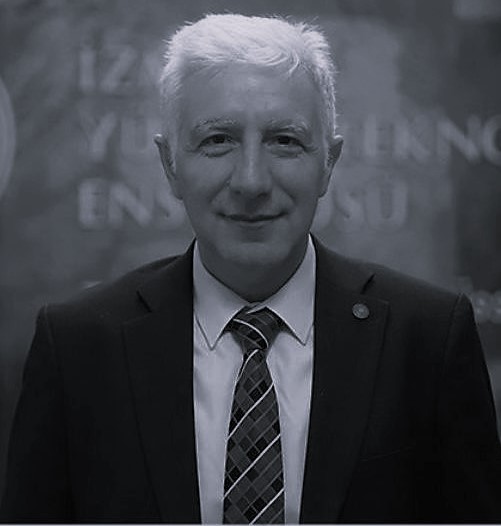
Prof. Alper Baba
Director of UNESCO Chair on Mediterranean Water Resource Management, Izmir Institute of TechnologyTransforming Agriculture: Systematic Solutions in the WEFE Context
Agriculture is the largest user of global freshwater, consuming approximately 70%, and is therefore both affected by climate change and contributes to these processes. Population growth, urbanization, changing consumption patterns, and climate change increase pressure on water and soil resources, making it imperative to transform agricultural production systems into more resilient, efficient, and equitable structures. The high energy demand of agriculture, its environmental footprint, and its impact on ecosystems necessitate integrated management approaches that address intersectoral linkages. In this context, the Water-Energy-Food-Ecosystems (WEFE) Nexus offers an innovative approach that addresses sectoral interactions within a common framework. WEFE focuses on protecting water resources and ecosystem health while promoting systematic solutions that simultaneously ensure water, food, and energy security. In this respect, it is also consistent with Integrated Water Resources Management (IWRM) under SDG 6. Changing climate conditions make transformation based on the WEFE framework inevitable, particularly in the agricultural sector, which is the most intensive user of water.
Nature-based solutions and community-centered approaches play a critical role in implementing this transformation. Wetland restoration, improving natural water cycles, agroecological methods, and production models that support biodiversity strengthen climate resilience and ecosystem services. Involving local communities' knowledge and experience in the process increases both social acceptance and policy effectiveness.
This session will bring together water and agriculture experts, international organisations and policymakers to discuss how systematic solutions, governance models and cross-sectoral collaborations can accelerate the transformation of agriculture. Discussions will present transferable models for regions facing similar climate and water pressures; the role of WEFE and similar approaches in the post-2030 water and sustainable development agendas will also be assessed.
This session, held under the sub-theme ‘Moving Beyond Conflicting Interests: Advancing the Water-Energy-Food-Ecosystem Nexus’, aims to contribute to the UNFCCC COP31 and the 2026 UN Water Conference, which will be hosted by Türkiye.
Objectives and expected outcomes:
- Discussion of the contributions that the WEFE approach will make to achieving the Sustainable Development Goals, particularly SDG 2 and SDG 6
- Exchange of information on integrated management models, policy instruments, investment mechanisms and implementation experiences that will accelerate agricultural transformation within the WEFE framework
- Assessing the technical, economic and social challenges to implementing the WEFE approach; sharing solutions and good practice examples related to these challenges; addressing strategy and policy frameworks that can be adapted by countries
- Contributing to UNFCCC COP31 and the 2026 UN Water Conference
Keywords: WEFE Nexus, agricultural transformation, Integrated Water Resources Management (IWRM), nature-based solutions, Sustainable Development Goals (SDGs)