

S 3.3 (Anadolu Auditorium)
- Day: Day 2
- Time: 15:50 - 16:50
- Room: Anadolu Auditorium
- Moderator(s): Prof. Mehmet Cüneyd Demirel

 s-3-3-concept-note_integrated-frameworks-for-disaster-risk-management
 pdf
pdf 865.60 KB
Prof. Mehmet Cüneyd Demirel
Istanbul Technical University (ITU)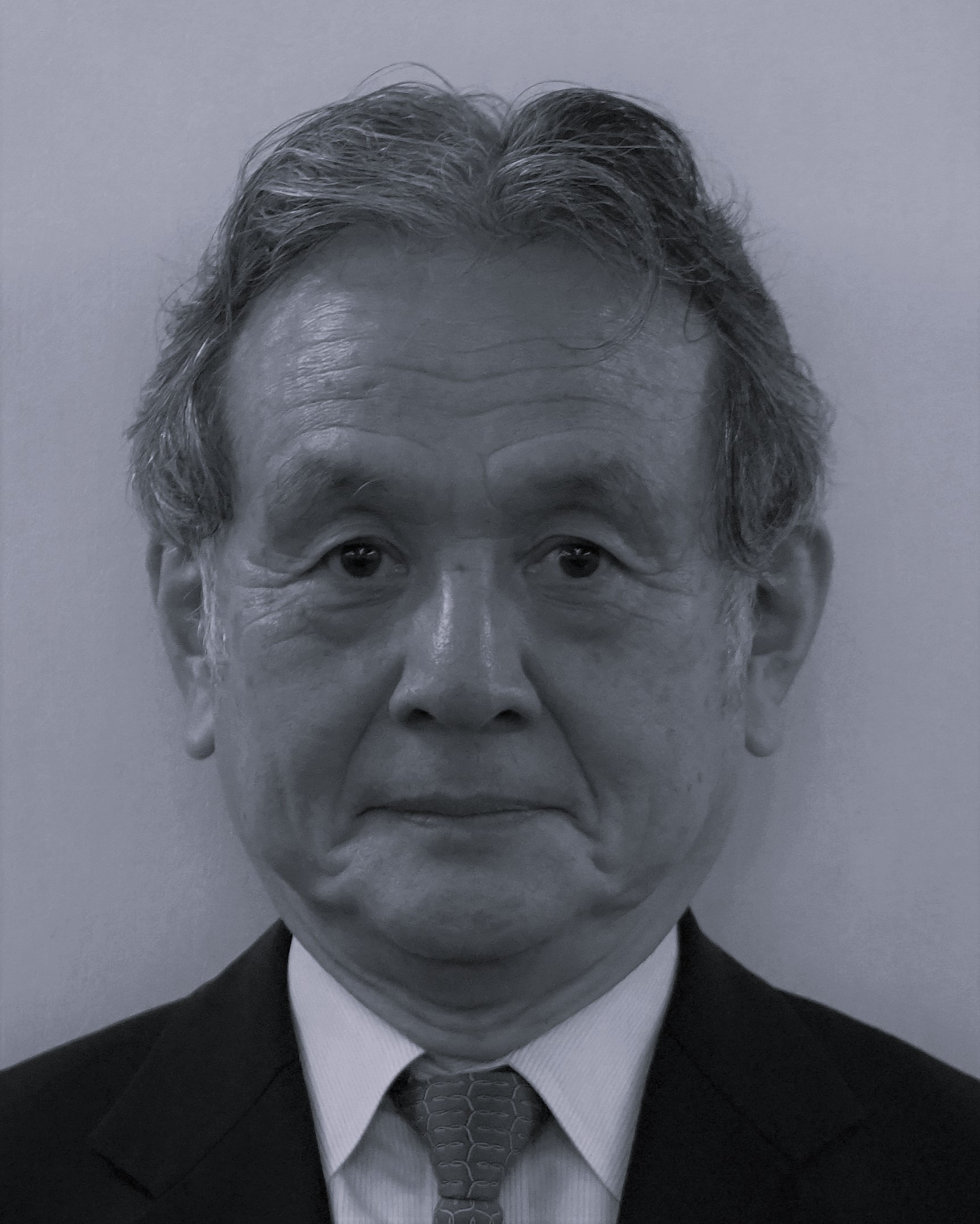
Prof. Tsugihiro Watanabe
Kyoto University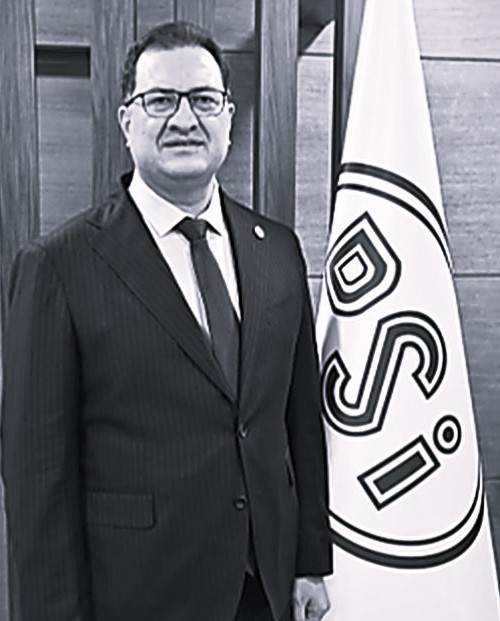
Cengiz Han Kılıçaslan
Deputy Director General, General Directorate of State Hydraulic Works (DSİ)
Dr. Maria Ilinca Cheveresan
Manager, International Development, DHI (Romania and Eastern Europe)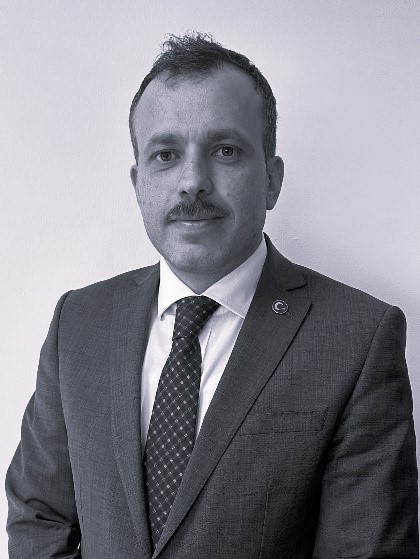
Satuk Buğra Fındık
Deputy Director General, General Directorate of Water Management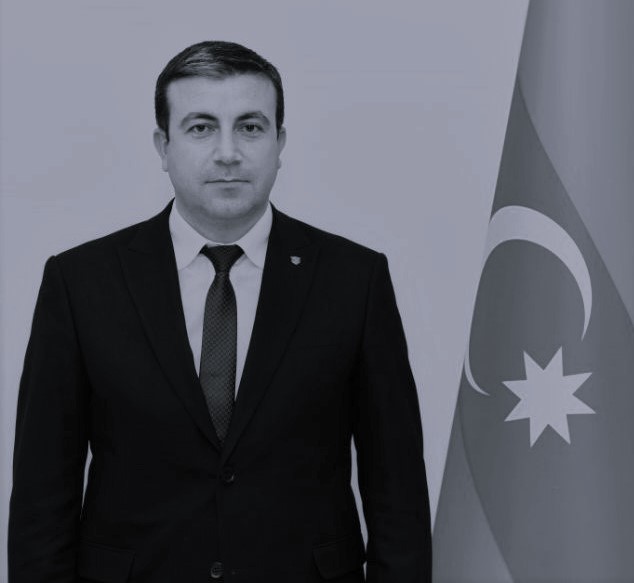
Assoc. Prof. Rashail Ismayilov
Deputy Chair, Water and Amelioration Scientific Research Institute (SMETI)
Yogita Mumssen
Practice Manager, Water Policy & Regulations, World BankIntegrated Frameworks for Disaster Risk Management: Preparedness, Response, and Recovery
The One Water, One Health approach, which aims to protect the health of all living beings and the environment through a holistic approach, treats water resilience and water-related disaster risk management not only as a technical necessity but also as a strategic priority for public health, ecosystems, and sustainable development.
The vast majority of disasters worldwide are water-related, including floods, droughts, landslides, storms, and outbreaks of waterborne diseases. According to United Nations data from 2022, 70% of disaster-related deaths in the last 50 years were due to water-related disasters. Climate change, rapid and uncontrolled urbanization, and ecosystem destruction are increasing the frequency and severity of these disasters. Furthermore, damage to water structures such as dams, canals, and water supply networks during disasters strains response capacity and complicates the problems.
While all these dynamics negatively affect the quantity and quality of water resources by making their sustainable management more difficult; they distance countries from their water resilience goals and hinder the achievement of the Sustainable Development Goals on a global scale.
Therefore, it is an unavoidable necessity to design and implement integrated frameworks based on coordination between sectors and stakeholders in disaster management, which manage risks rather than crises. Moreover, the preparation, response, and recovery processes in disaster management which are often treated separately must now be carried out within a holistic and complementary approach. In this context, integrated disaster risk management frameworks require strong coordination, evidence-based decision-making, and sustainable planning across all phases, from early warning and field operations to data management and long-term recovery.
This session aims to strengthen risk assessment, early warning systems, and planning mechanisms in disaster preparedness; to utilize nature-based solutions (NBS) in mitigating water-related disaster risks; to improve rapid decision-making, resource management, and field coordination during the response process; and to address long-term recovery and reconstruction issues, as well as financing models, from an institutional resilience perspective during the recovery phase.
The session, which will include representatives from disaster risk management institutions, academia, local governments, international organizations, and the private sector, as well as policymakers, aims to create a multi-stakeholder discussion platform through experience sharing and to contribute to the UN 2026 Water Conference and UNFCCC COP31.
Objectives and expected outcomes:
- Discussing the role of using technology and artificial intelligence, modelling, disaster information management and early warning systems in disaster risk management
- Exploring sustainable and proactive disaster risk management solutions
- Sharing approaches, experiences, and best practices related to water-related disaster risks management
- Assessing the challenges and opportunities related to financing integrated risk management practices in least developed and developing countries and island states
- Presenting policy and strategy recommendations for reducing damage caused by water-related disasters on a global scale
- Discussing the potential contributions of bilateral, regional, and global collaborations in managing water-related disaster risks
- Providing recommendations for integrating the concept of "resilient water management" into strategic plans during the preparation, response, and recovery phases of water-based disaster risks
- Discussing the impact of water-related disasters on sustainable development and their place in the global water agenda after 2030, and contributing to the UN 2026 Water Conference and UNFCCC COP31 with the outcomes obtained
Keywords:
Water-related disasters, integrated disaster management, disaster risk reduction, disaster preparedness-response-recovery, forecasting and early warning systems.