
S 4.3 (Dolmabahçe A (1) Hall)
- Day: Day 2
- Time: 12:20 - 13:20
- Room: Dolmabahçe A (1)
- Moderator(s): Prof. Seval Sözen

 s-4-3-water-wise-cities-sustainable-solutions-concept-note-1
 pdf
pdf 783.04 KB
Prof. Seval Sözen
Board Member, İstanbul Water and Sewarage Administration (İSKİ)
Dr. Hassan Tolba Aboelnga
Chair of the Water Security Task Force, International Water Resources Association (IWRA)
Prof. Hayriye Eşbah Tunçay
Istanbul Technical University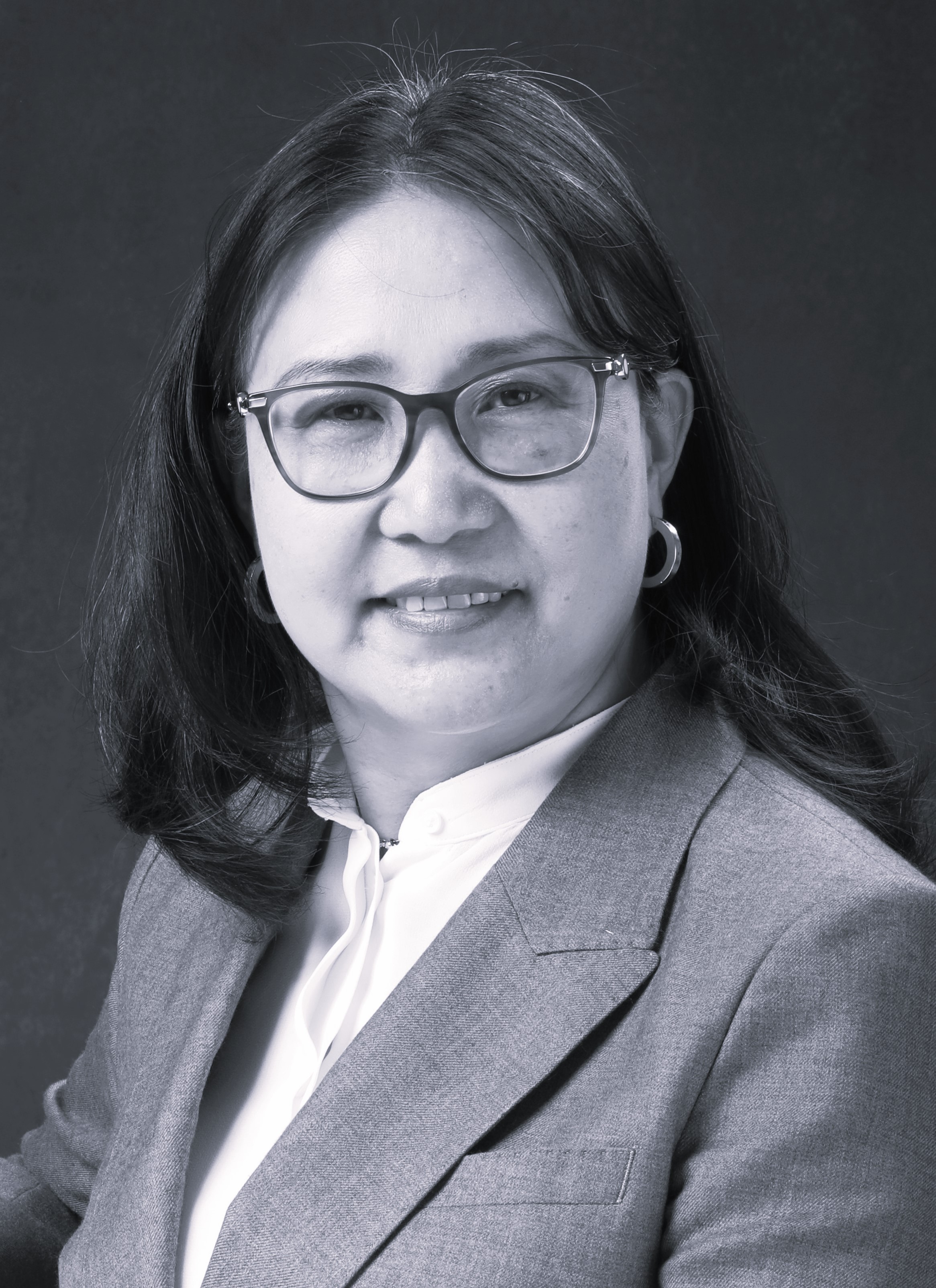
Dr. Sarantuyaa Zandaryaa
Programme Specialist, Division of Water Sciences, Intergovernmental Hydrological Programme (IHP), UNESCO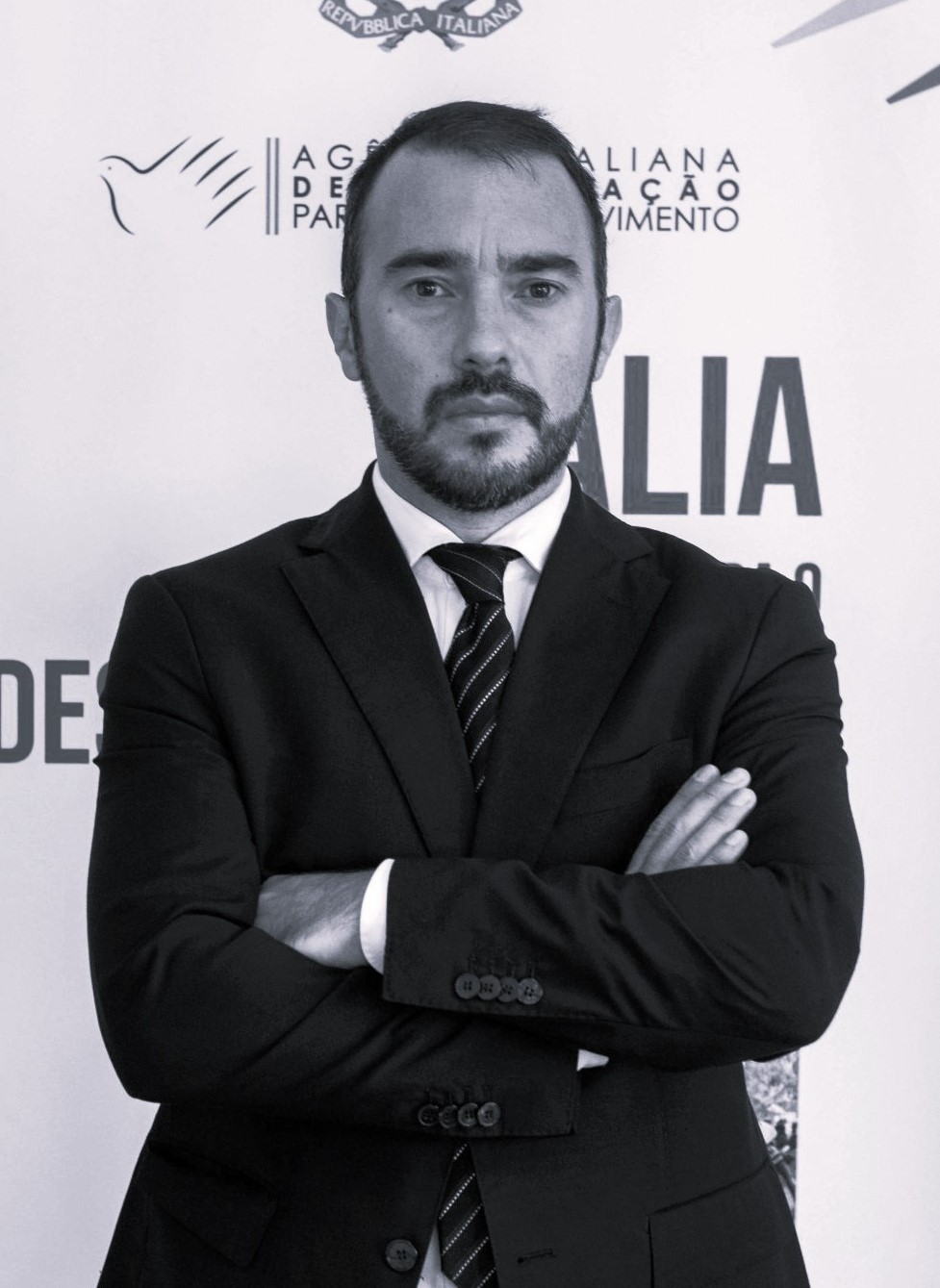
Paolo Enrico Sertoli
Technical Officer – Water Focal Point, Italian Agency for Development Cooperation (AICS)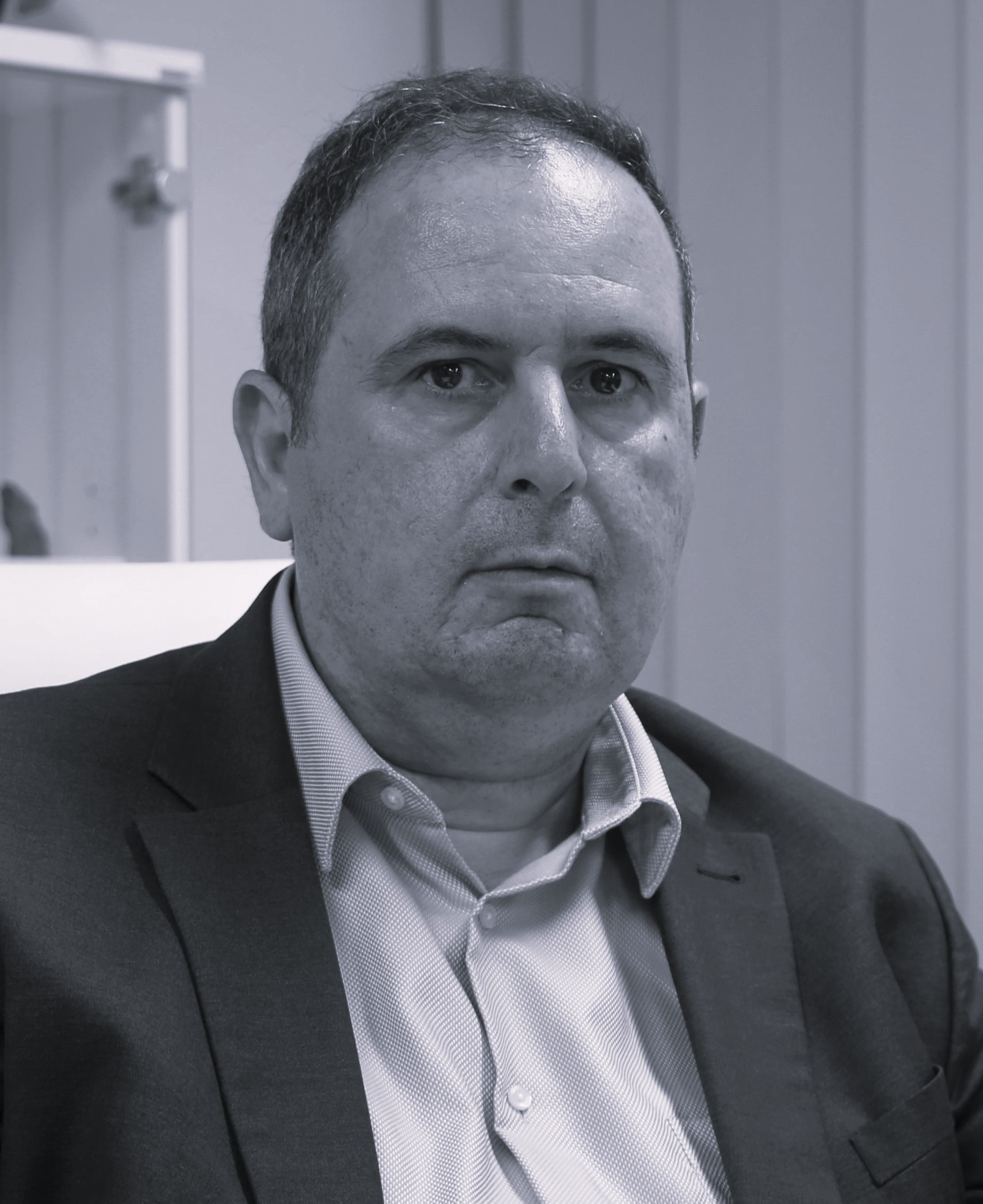
Manuel Sapiano
Hydrogeologist, Malta Resources Authority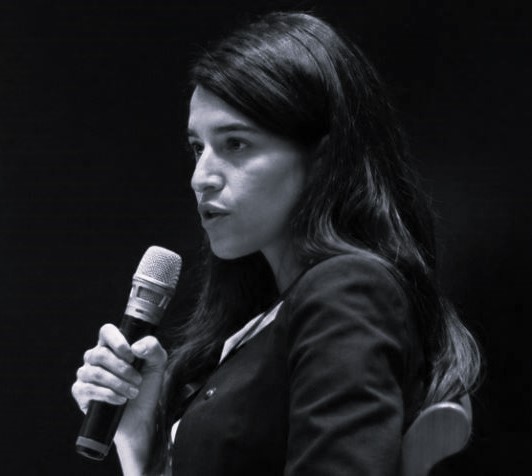
Damla Hacıibrahimoğlu Dabak
Policy Analyst, OECD Istanbul Centre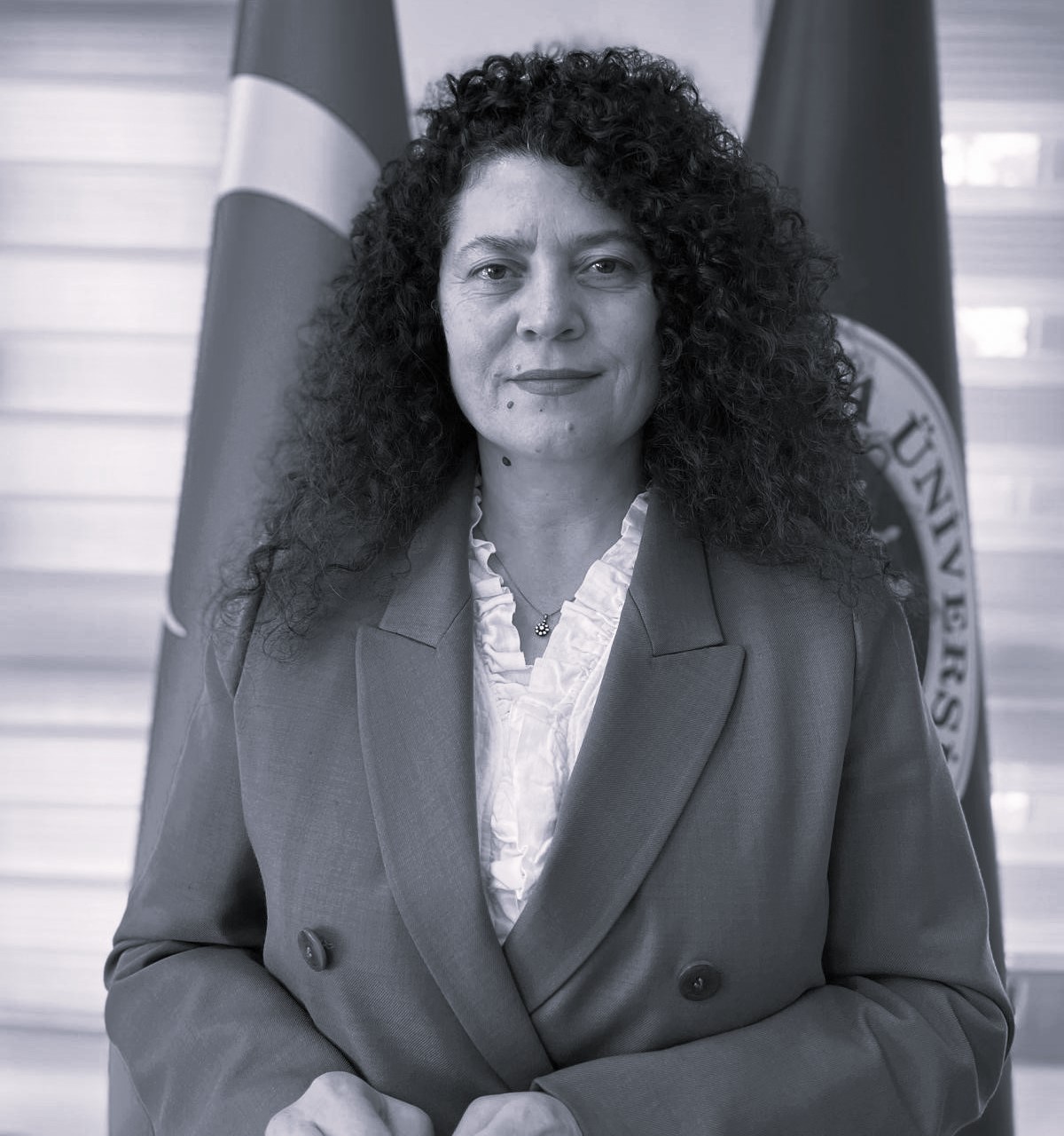
Prof. Gökşen Çapar
Director, Water Management Institute, Ankara University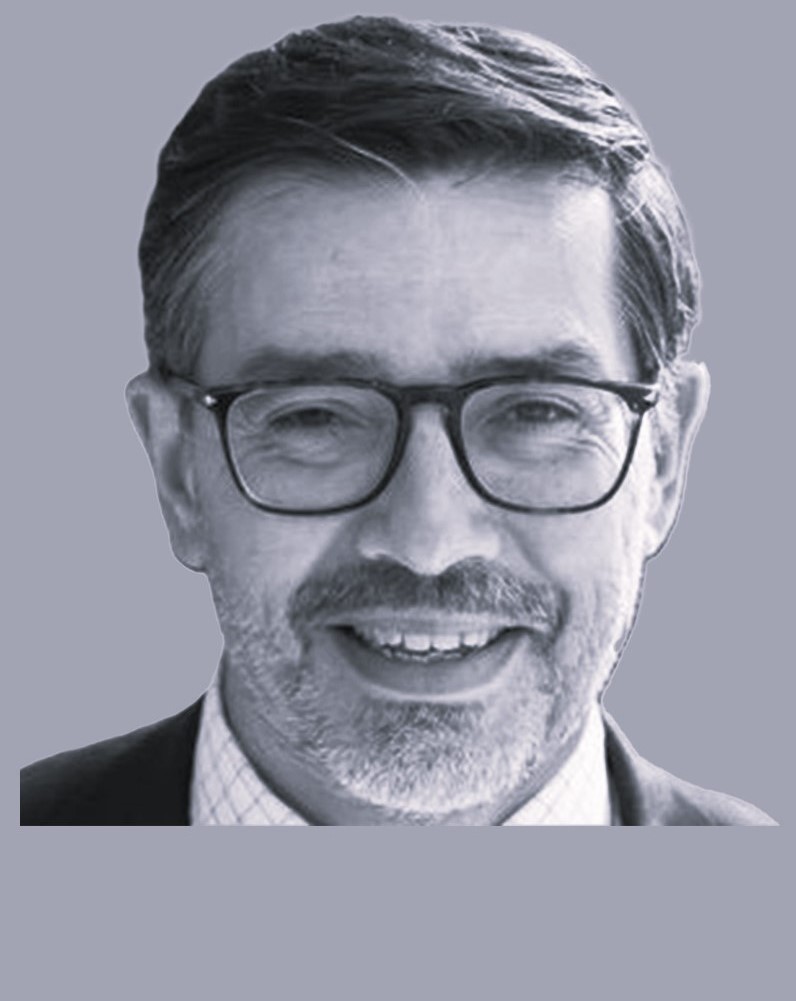
Frederic de Dinechin
Senior Policy Advisor, Water Environment and Blue Economy Division, Union for the Mediterranean Secretariat (UfM)Water Wise Cities: Sustainable Solutions
Today, 55% of the world’s population lives in cities, and this proportion is projected to reach 68% by 2050. Global climate change, rapid urbanization, and increasing water demand are making cities more vulnerable than ever in terms of water supply security. Floods, droughts, and deterioration in water quality significantly affect both infrastructure systems and social life, leading to social and economic challenges as well as public health problems. These challenges can, at times, result in the implementation of high-cost, short-term solutions that are not sustainable. Therefore, in the developing world, the widespread adoption of “Water-Sensitive Cities” is of critical importance for achieving the goal of water resilience.
Within the framework of UN SDG 6: Clean Water and Sanitation, SDG 11: Sustainable Cities and Communities, and SDG 13: Climate Action, the development of water-resilient infrastructure in cities is a priority issue too. In this context, the water-sensitive city approach lies at the core of sustainable urban planning by prioritizing water security from source to tap, maintaining the balance between supply and demand, and optimizing financial resources through the prioritization of water investments. This approach not only safeguards existing water supplies but also supports the objectives of climate adaptation and strengthening resilience to crises. Through practices such as Low Impact Development (LID), sponge cities, and green infrastructure, flood resilience is enhanced while pollution originating from surface runoff is reduced. Real-time monitoring of water supply networks using new technologies enables better control of consumption and a reduction in water losses, while the use of non-conventional water resources and drought-resistant landscaping practices further support water resilience. These practices also contribute to pollution reduction, lower greenhouse gas emissions, biodiversity conservation, disaster risk reduction, and improvements in public health.
In this session, with the participation of local authorities, policymakers, representatives of international institutions and organizations, and academics, policy, technological, and governance solutions aimed at making cities resilient to climate change and evolving lifestyles, environmentally sensitive, and disaster-resilient will be discussed. “Water-Sensitive City” case studies, digital and innovative technologies, financing opportunities and constraints, and implementation recommendations will be addressed.
Aligned with the Beyond Trade-offs: Advancing the Water–Energy–Food–Ecosystem (WEFE) Nexus sub-theme of the 5th Istanbul International Water Forum, the session also contributes to the global momentum toward the UNFCCC COP31 and the UN 2026 Water Conference to be hosted by Türkiye.
Objectives and expected outcomes:
- Examining the role of water-sensitive city approach components in sustainable urban planning
- Discussing the technical, institutional, and financial needs for reducing water losses and establishing climate-resilient, sustainable infrastructure
- Sharing good practices on the use of non-conventional water resources (such as rainwater and greywater) as complementary sources in cities, and examining challenges and proposed solutions
- Presenting recommendations for the integration of circular water use, xeriscaping, and ecosystem services within the water-sensitive city approach
- Assessing urban nature-based solutions in the process of strengthening the water–food–energy–ecosystem nexus
- Discussing technical and financial support opportunities for establishing “Water-Sensitive Cities”, particularly for disadvantaged groups that are more vulnerable to disasters and public health risks, as well as in least developed and developing countries
- Discussing infrastructure and technologies that will enhance cities’ adaptation to climate change
- Presenting proposals that will contribute to discussions on water resilience within the scope of the UN 2026 Water Conference and COP31
Keywords: Water sensitivity cities, water losses, non-conventional water resources, sponge cities, climate-resilient infrastructure