

S 3.1 (Anadolu Auditorium)
- Day: Day 2
- Time: 11:00 - 12:00
- Room: Anadolu Auditorium
- Moderator(s): Prof. Bilge Alpaslan Kocamemi

 s-3-1-wastewater-surveillance-a-one-health-perspective
 pdf
pdf 463.49 KB
Prof. Bilge Alpaslan Kocamemi
Board Director, IWRA - Advisor, Turkish Water Institute (SUEN)
Ebubekir Gizligider
Deputy Minister of Agriculture and Forestry
Dr. Tasnim Atatrah
Representative, World Health Organization (WHO)
Dr. Ayşegül Selışık
Asistant Representative, FAO Türkiye
Prof. Gertjan Medema
Principal Microbiologist, KWR - Water & Health at Delft University of Technology
Dr. Bernd Manfred Gawlik
Portfolio Co-Leader for Climate and Water Resilience, EC-JRC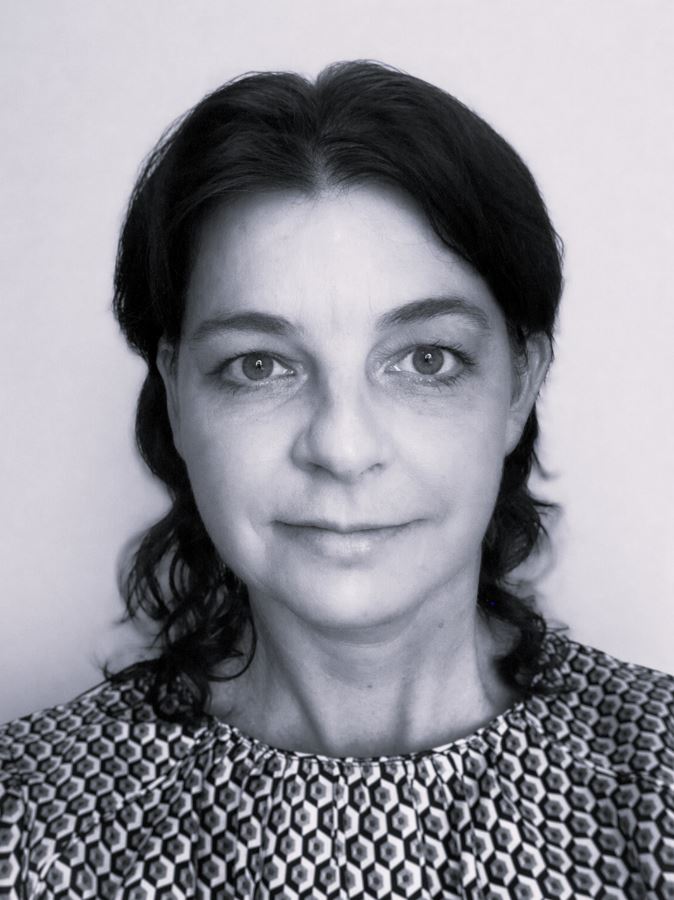
Kate Medlicott
Team Lead of Sanitation and Wastewater, World Health Organization (WHO)
Anastasia Koutsolioutsou
Policy Officer, European Commission, Health Emergencies Preparedness and Response Authority (HERA)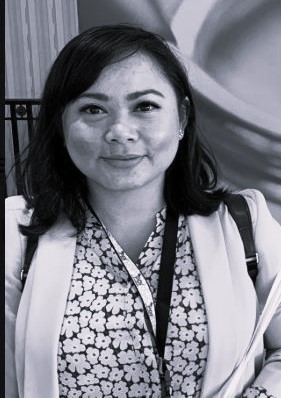
Dr. Windi Muziasari
CEO, ResistomapWastewater Surveillance: A One Health Perspective
This special session examines the evolution of wastewater and environmental surveillance from a niche scientific approach into a critical tool for early warning, monitoring, and evidence-based decision-making across human, animal, and environmental health and economic sustainability. While WES gained global visibility during the COVID-19 pandemic for tracking viral pathogens, it has since become equally vital for monitoring antimicrobial resistance (AMR), antimicrobial resistance genes (AMGs), and contaminants of emerging concern (CECs)—including pharmaceuticals and other micro pollutants—whose relevance is increasing with the expanding reuse of treated wastewater for agricultural irrigation, food safety, and agri-food value chains.
The session emphasizes WES as a One Health instrument that connects public health protection, environmental integrity, food safety, and economic resilience, particularly in regions facing water scarcity, climate stress, and increasing reliance on wastewater reuse. It will highlight scalable and cost-effective approaches for implementing WES systems, especially in low- and middle-income countries (LMICs), where safe reuse practices can reduce health risks while supporting agricultural productivity and local economies. By addressing technical, institutional, and regulatory challenges—such as laboratory capacity, data integration, and risk-based decision frameworks—the session will demonstrate how WES data can inform safe water reuse, protect markets, and support evidence-based investment and policy decisions. Private-sector innovations and partnership models will be showcased as key drivers for sustainable and economically viable surveillance and reuse systems.
By reinforcing wastewater and environmental surveillance as a One Health tool, this session contributes to adaptive, cross-sectoral solutions that strengthen early warning, food safety, economic stability, environmental resilience, and global health security, fully aligning with the Congress theme of innovation and adaptation in a changing world.
Objectives and expected outcomes:
• Increased awareness of wastewater surveillance as a practical One Health tool for early warning and prevention.
• Clear recognition of wastewater surveillance in addressing antimicrobial resistance (AMR) and AMR genes, the “silent pandemic” threatening global health.
• Recognition of the role of WES in supporting safe wastewater reuse for irrigation and food safety
• Insight into scalable and cost-effective solutions, particularly for resource-limited settings.
• Strengthened interest in cross-sectoral and public–private collaboration for sustainable implementation.
Keywords: Wastewater Surveillance, One Health, Antimicrobial Resistance (AMR), Food Safety