

S 2.3 (Marmara Hall)
- Day: Day 2
- Time: 17:10 - 18:10
- Room: Marmara
- Moderator(s): Prof. Bilgehan Nas

 s-2-3-from-wastewater-to-resource-concept-note-1
 pdf
pdf 867.02 KB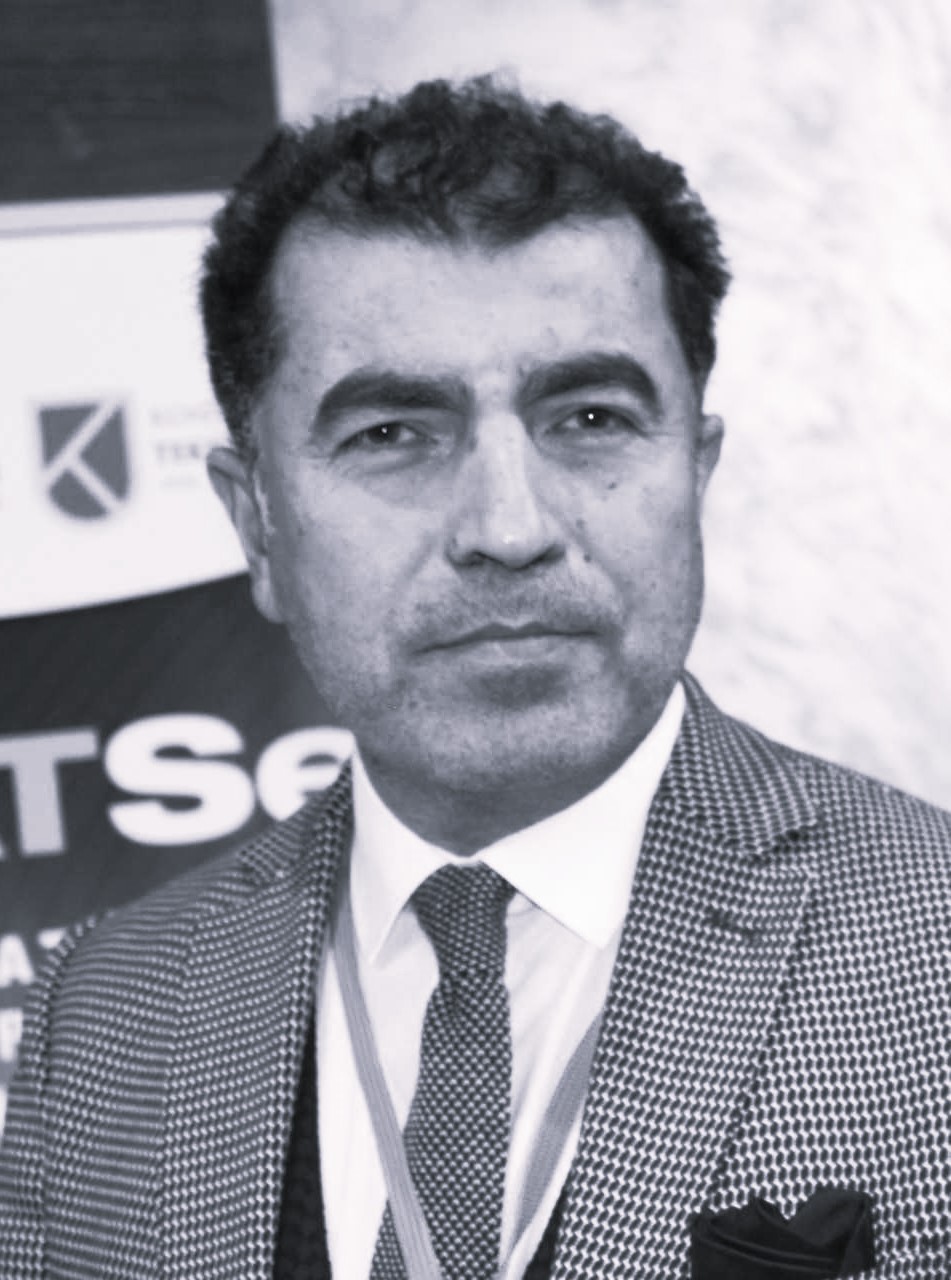
Prof. Bilgehan Nas
Konya Technical University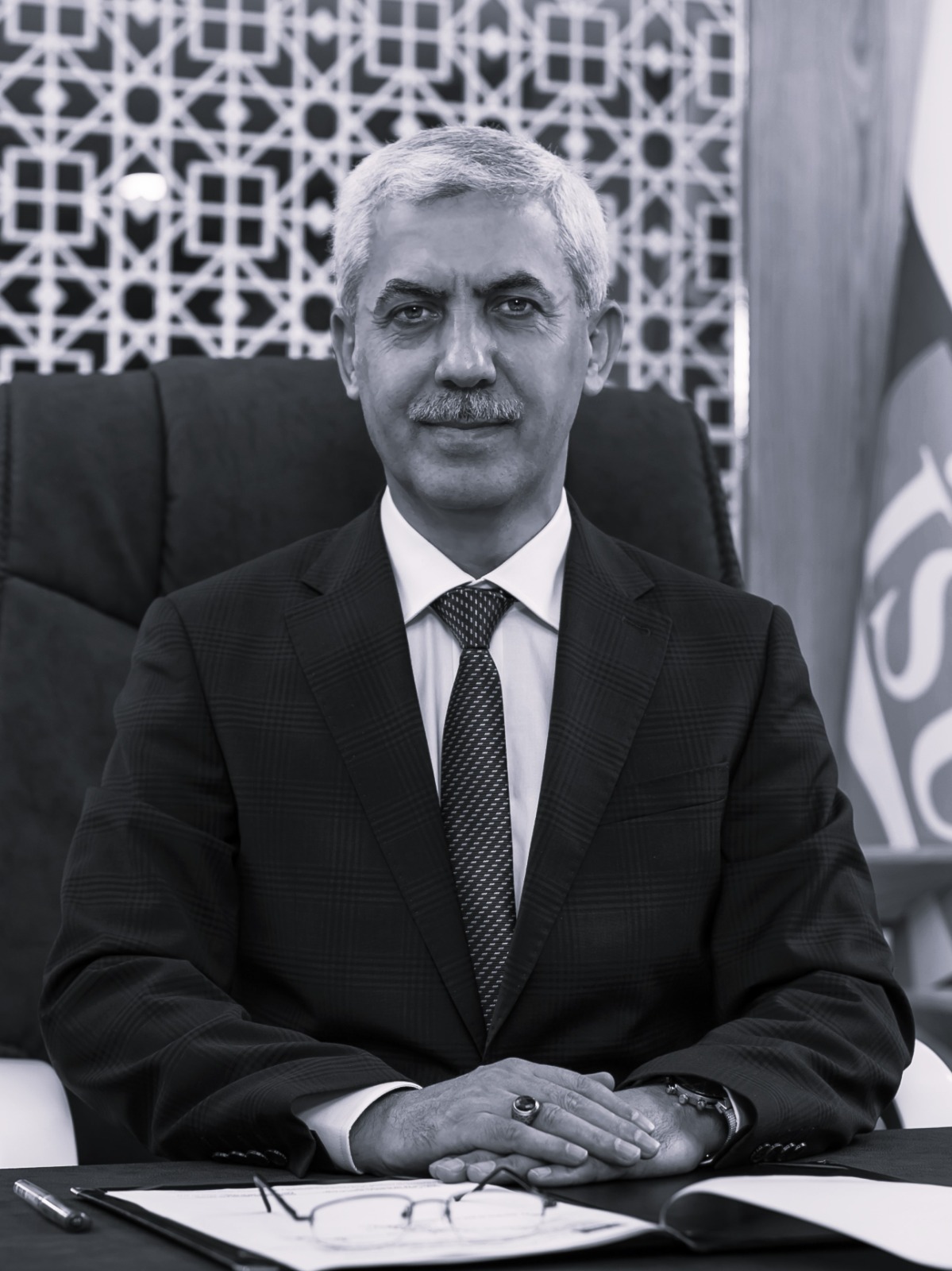
Ali Sağlık
Director General , Kocaeli Water and Sewerage Administration (İSU)
Göktuğ İlter
Deputy Director General, General Directorate of State Hydraulic Works (DSİ)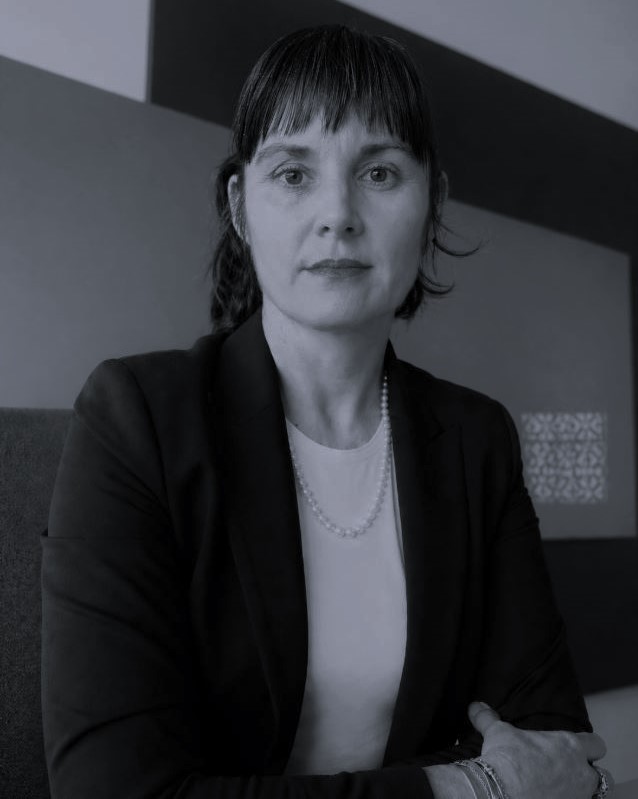
Marine Karcher
Deputy Director for Türkiye, French Development Agency (AFD)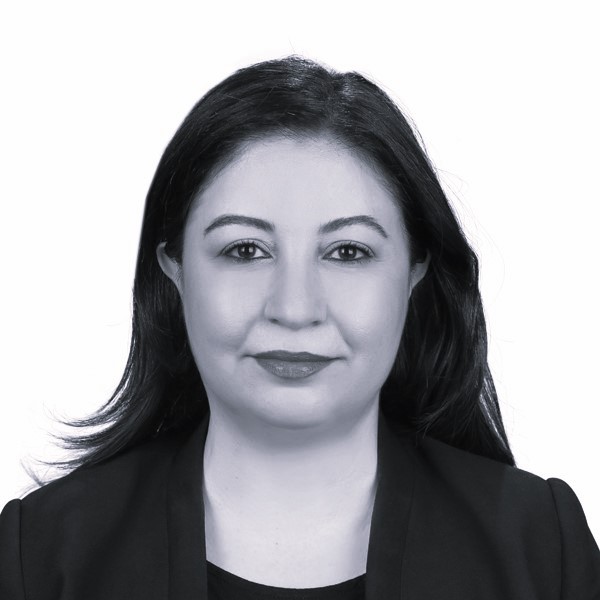
Canan Yıldız Uz
Senior Water Resources Management Specialist, World Bank Group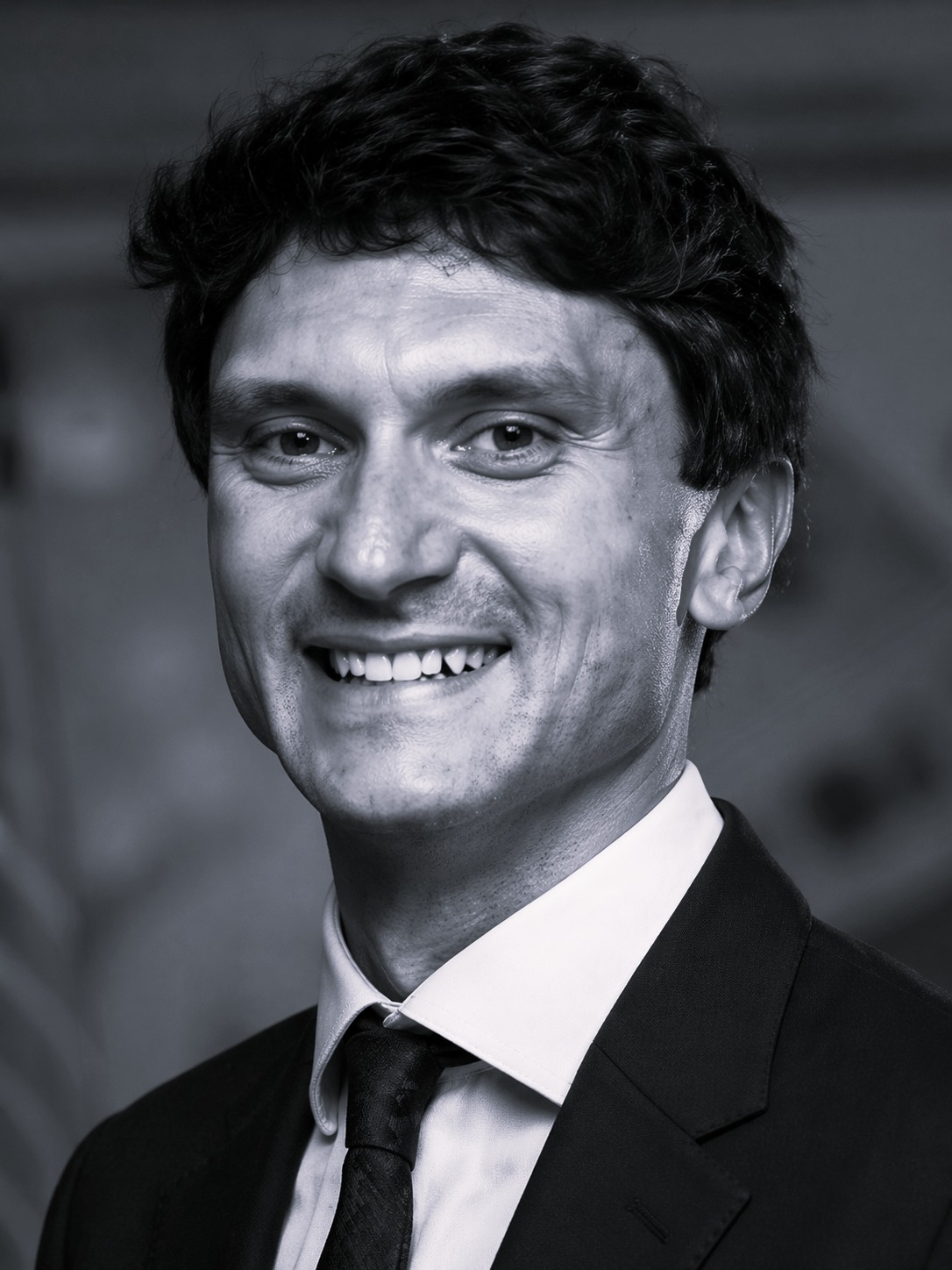
Riccardo Zennaro
Project Management Officer, UNOPS
Dr. Figen Şişman Nayal
Project Manager, STANTEC TürkiyeFrom Wastewater to Resource: Circular Approaches in Water Management
Rapid development and economic growth, increasing population, and changing habits raise the demand for water resources and the pollution pressure on them. The water crisis we face, coupled with climate change, is increasing the pressure on traditional freshwater sources every day, bringing with it risks to agricultural and industrial production. Globally, more than 2 billion people still live in water-stressed regions, and approximately 4 billion people experience difficulty accessing sufficient water for at least one month of the year. Furthermore, 44% of domestic wastewater worldwide is not properly treated, posing a threat to human health and ecosystems.
However, with the use of appropriate techniques, wastewater can also be a source of energy, materials, and water. Inspired by nature and based on the hydrological cycle, retaining water within the use cycle emerges as one of the fundamental strategies for sustainability in water management. Ensuring the circular use of water through the recovery and reuse of wastewater in all sectors, especially urban, agricultural, and industrial activities, based on the principle of zero liquid discharge (ZLD), and utilizing unconventional water sources such as rainwater and greywater, are among the important solutions.
Important examples of circular water use include the reuse of treated urban wastewater in industrial and agricultural production, zero liquid discharge in industrial production, maximizing water conservation through circular water use and industrial symbiosis practices, reusing agricultural runoff for irrigation, and reducing pressure on freshwater resources through the use of unconventional water sources such as rainwater harvesting.
However, there are still some social and political obstacles to the widespread implementation of this circular water management approach. In this context, in today's world where the water-food- energy-ecosystem nexus has become more visible and meaningful, it has become a fundamental duty of all stakeholders to consider water risks and incorporate a circular water use approach into sectoral policies, action plans, investment planning and prioritization, and ecosystem service assessments for the sustainable use of water resources, which are indispensable for food, energy, and environmental needs.
This session will bring together experts, policymakers, representatives from international organizations and the private sector to discuss the economic, social and environmental benefits to be achieved through wastewater recovery and reuse, the contributions of these practices to achieving water resilience under the impacts of climate change, and current technologies and best practices.
Aligned with the Finance Mobilization and Innovation for Climate-Resilient Water Management sub-theme of the 5th Istanbul International Water Forum, the session also contributes to the global momentum toward the UNFCCC COP31 and the UN 2026 Water Conference to be hosted by Türkiye.
Objectives and expected outcomes:
- Assessing the technical and institutional requirements for wastewater recovery, reuse, and zero liquid discharge practices, and discussing the environmental, economic, and social benefits they will provide
- Highlighting the importance of circular water use, sharing best practices and experiences from around the world in urban, agricultural and industrial sectors
- Providing recommendations to increase the effectiveness of policy, governance and financing mechanisms for circular water management
- Demonstrating the role of circular water management approaches in achieving water resilience
- Creating a shared understanding and awareness that will strengthen collaboration among stakeholders
- Presenting proposals that will contribute to discussions on circular approaches in water management within the scope of the UN 2026 Water Conference and UNFCCC COP31
Keywords: Water sensitivity cities, water losses, non-conventional water resources, sponge cities, climate-resilient infrastructure