

S 2.2 (Anadolu Auditorium)
- Day: Day 1
- Time: 17:40 - 18:40
- Room: Anadolu Auditorium
- Moderator(s): Prof. Bedir Tekinerdoğan

 s-2-2-achieving-water-efficiency-concept-note-1
 pdf
pdf 756.92 KB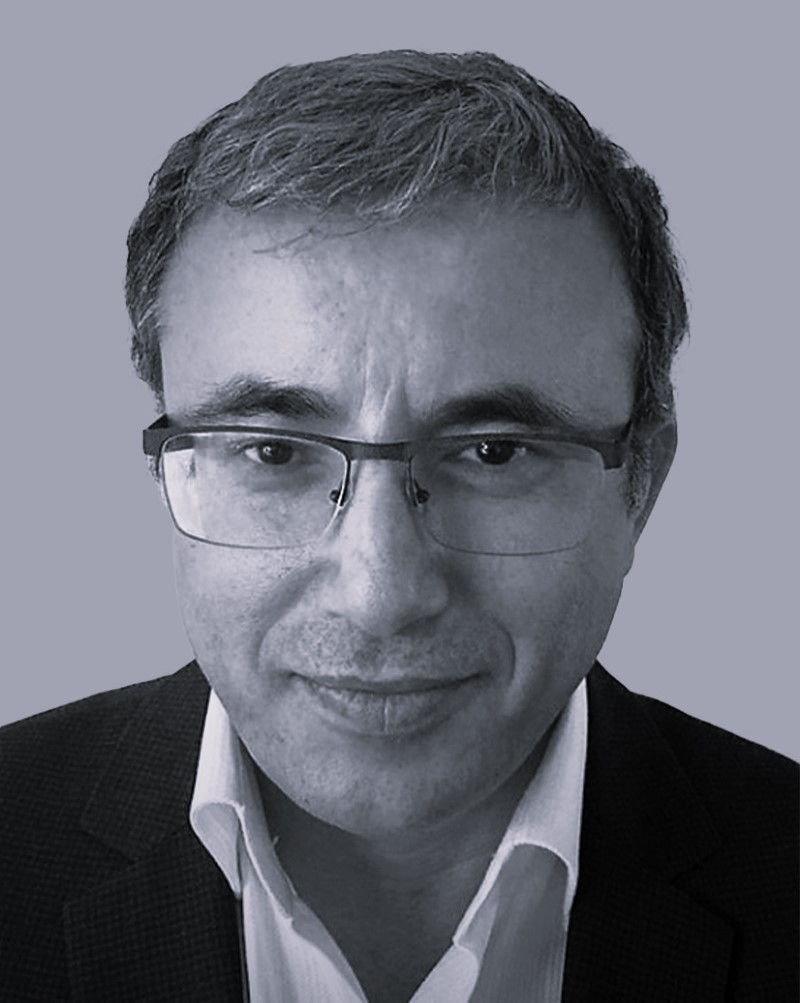
Prof. Bedir Tekinerdoğan
Wageningen University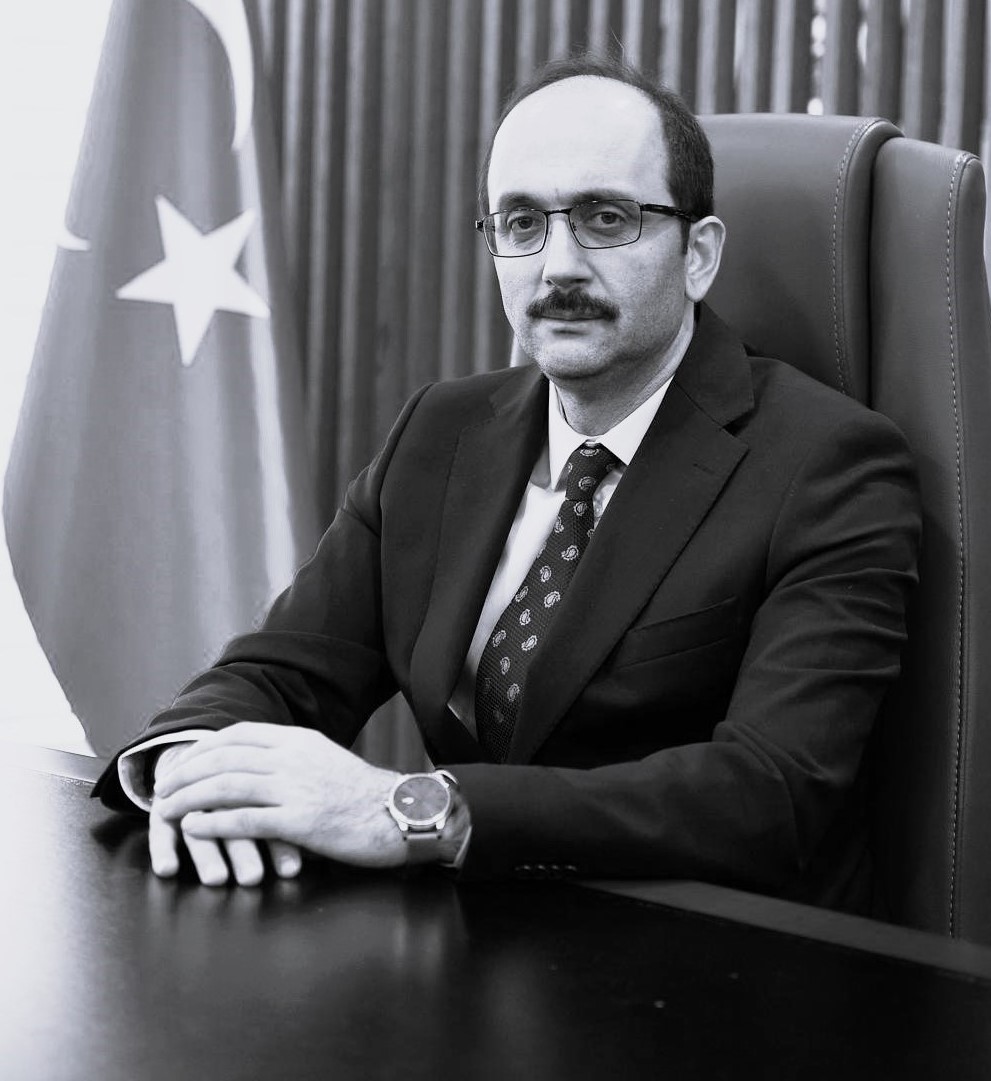
Mehmet Akif Balta
Director General, General Directorate of State Hydraulic Works (DSİ)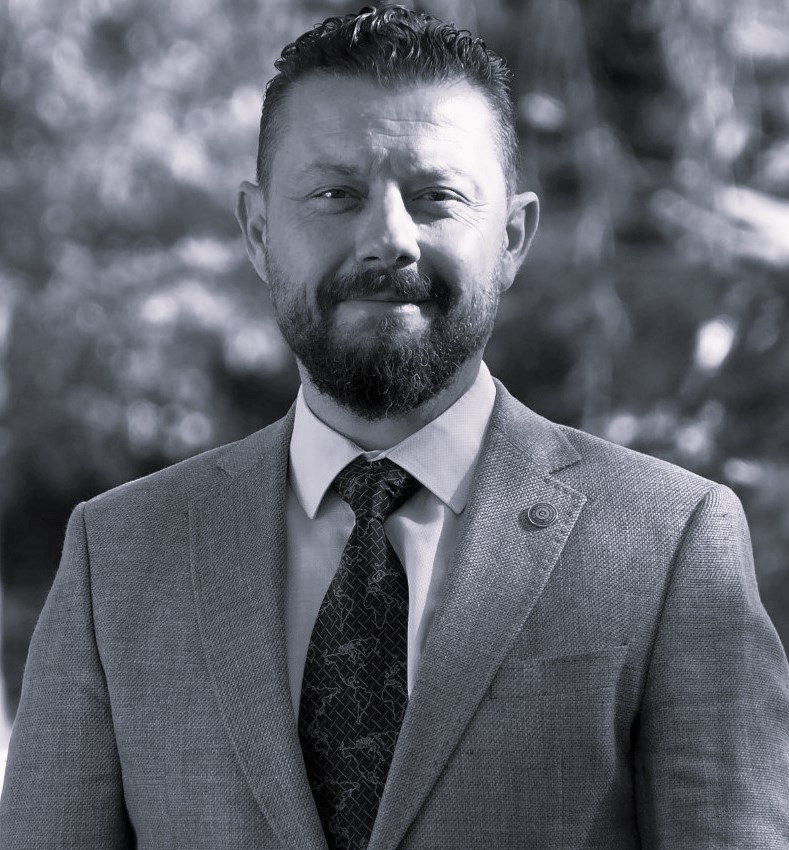
Prof. Mustafa Tolga Esetlili
Ege University, Faculty of Agriculture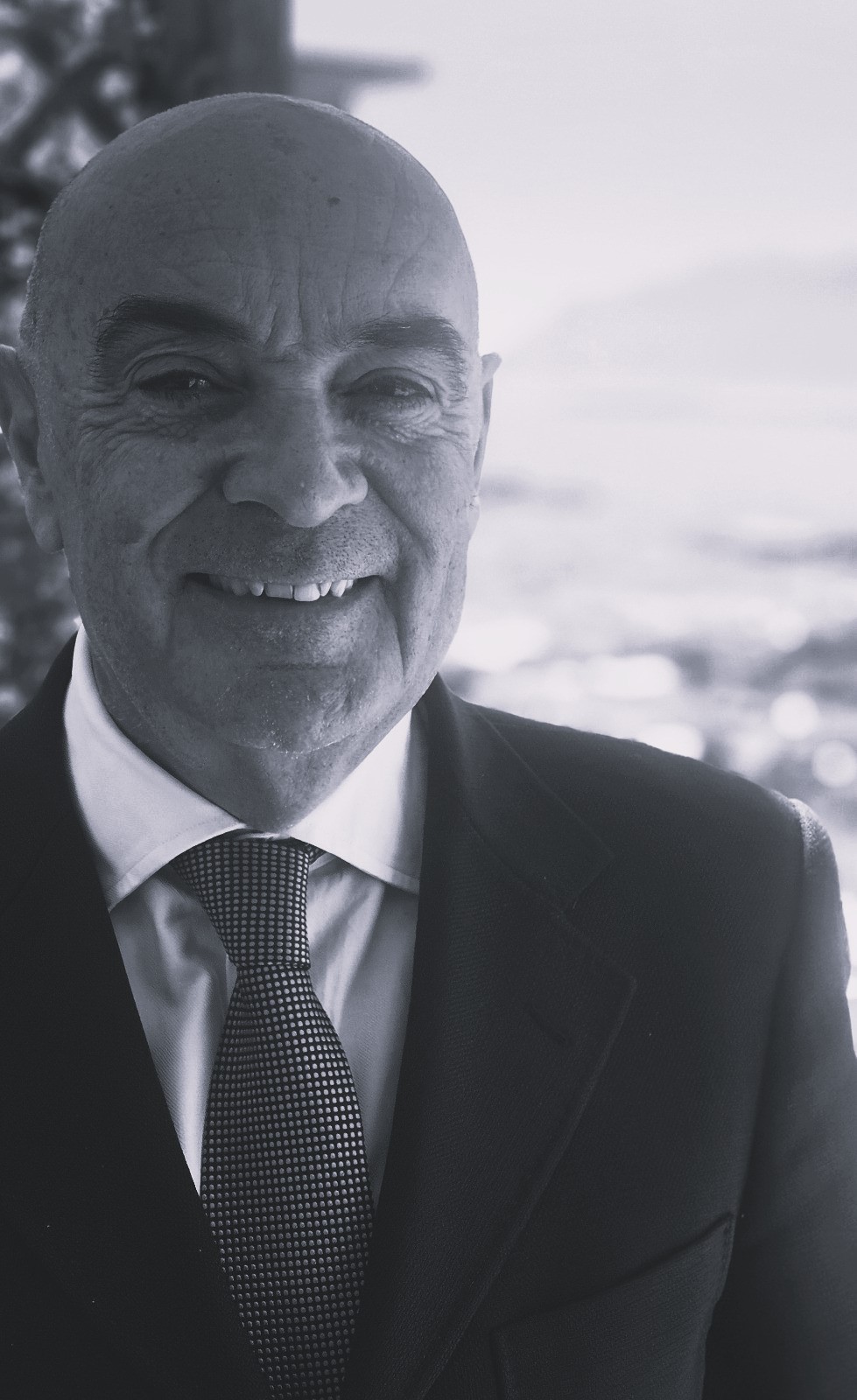
Prof. Guido D'urso
Napoli Federico II University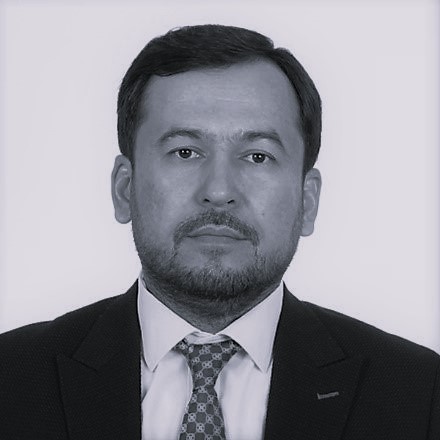
Bakhodir Mirzaev
Senior Global Water & Sanitation Specialist, IsDB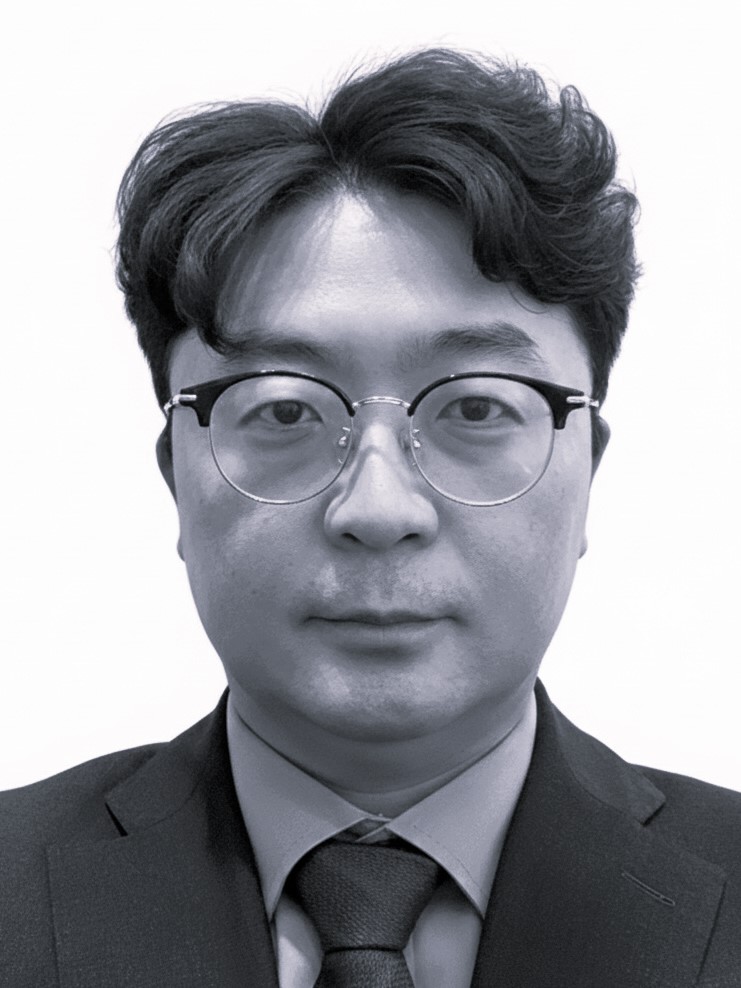
Junhan Yun
Head of Global Technology Marketing Department, K-water
İsmail Aydın
Head of Water Loss Reduction and Pressure Management Department, İSKİAchieving Water Efficiency: Innovative Technology-Focused Approaches and Digital Solutions in Water Management
Negative effects of climate change, such as increasing drought and irregular rainfall, are increasing pressure on water resources. The limitations of traditional methods and practices in water management, which have been applied for years in terms of time, cost, and benefit, make it necessary to use the most advanced technologies and digital solutions, such as remote sensing, sensors, and smart water management systems, in all stages of water management, from water resource planning, procurement and distribution of water and wastewater treatment and water resource monitoring, in order to ensure water resilience.
Smart water management systems, developed to address this need, offer an integrated approach aimed at monitoring, evaluating, and managing surface and groundwater in real time throughout the entire process, from source to end-user. This approach involves creating a dynamic decision support system for quality and quantity monitoring, reducing pollutants, and minimizing losses in water supply and distribution lines. Similarly, establishing AI-powered automation systems that utilize radar and satellite data in irrigation systems helps achieve water resilience while ensuring efficient water use. Moreover, the use of digital technologies in water management provides a structural transformation that also strengthens transparency, traceability, and accountability. This transformation is critical for more effective management of water as a public good, optimal management of water use and demand, data- and science-based decision-making, and sustainable financing of water services. The effective use of digital technologies in water management will be central to global efforts to manage water resources in a more resilient, equitable and sustainable way, both before and after the 2030 Sustainable Development Agenda.
This session aims to contribute to the agendas of the UN 2026 Water Conference and COP31 by comprehensively discussing innovative technologies such as digital solutions, remote sensing and sensors, big data analytics studies, and financial instruments and application examples related to their applicability in water management, with contributions and participation from decision-makers, public institutions/organizations, the private sector, civil society organizations, academia, and international organizations.
Objectives and expected outcomes:
- Examining the use and benefits of remote sensing applications in the development, operation, and monitoring of water resources, as well as in drought and flood prediction
- Presentation of practices of smart water management systems that enable more efficient and sustainable use of water resources
- Discussion of specific financing models for digital and technology-based water management practices
- Presentation of proposals for strengthening public and private sector collaborations
- Evaluation of the possibilities that can be be carried out to develop capacity building and technical support mechanisms for the widespread use of digital technologies in water management
- Discussing the role of innovative water management practices in achieving the 2030 Sustainable Development Goals and shaping the post-2030 agenda
- Presenting proposals that can be contributed to discussions on water resilience to be held within the framework of the UN 2026 Water Conference and COP31
Keywords: Water efficiency, smart water management, innovative technologies