

High Level Panel (Anadolu Auditorium):
- Day: Day 1
- Time: 15:50 - 17:20
- Room: Anadolu Auditorium
- Moderator(s): Assoc. Prof. Şuay Nilhan Açıkalın

 high-level-panel-on-cop-31-concept-note
 pdf
pdf 866.43 KB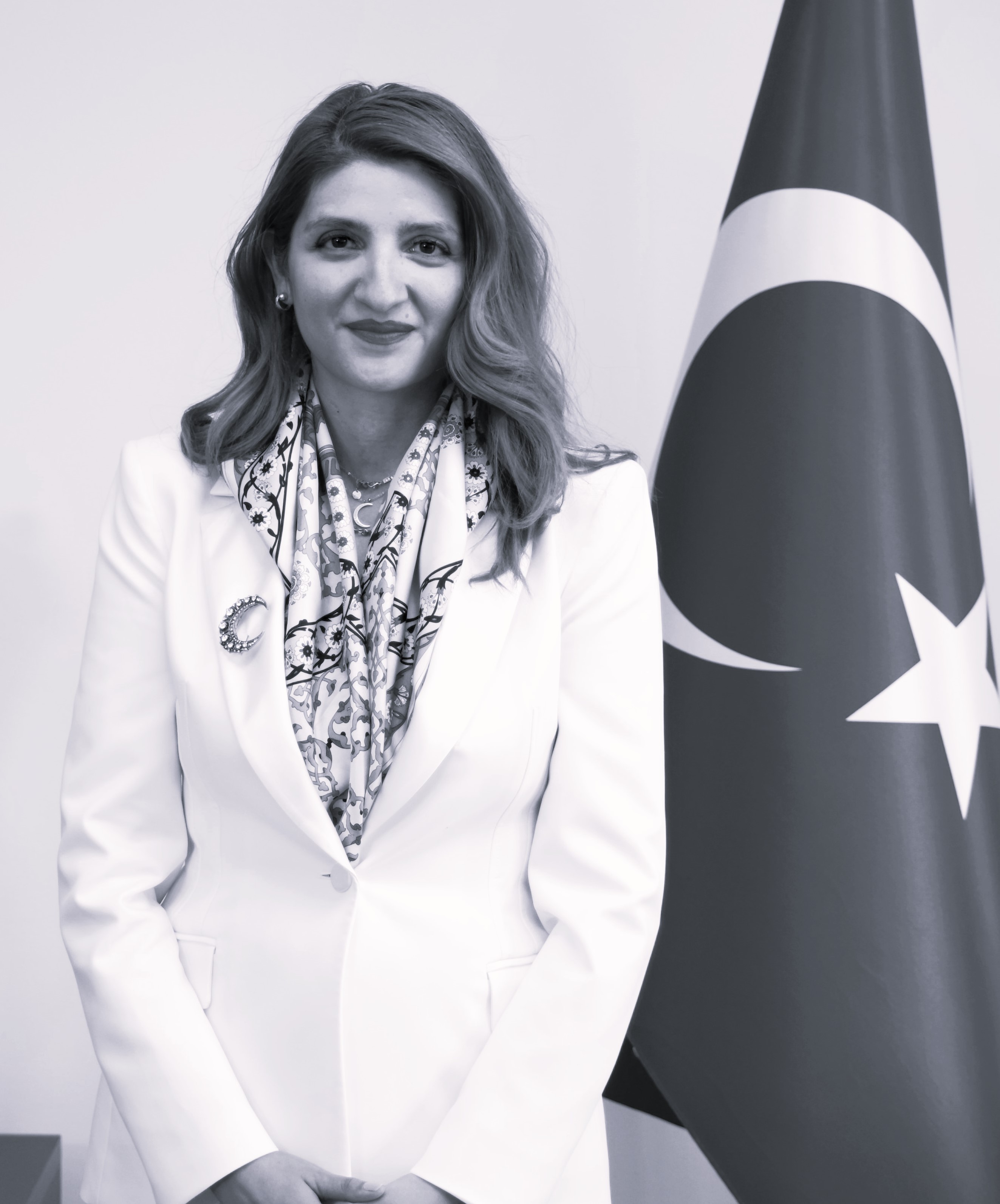
Assoc. Prof. Şuay Nilhan Açıkalın
Ankara Hacı Bayram Veli University
Dr. Ahmet Bağcı
Deputy Minister of Agriculture and Forestry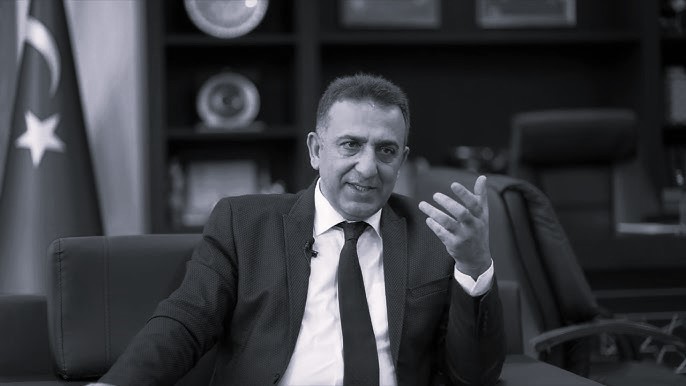
Prof. Halil Hasar
Director, Directorate of Climate Change
Ko Barrett
Deputy Secretary-General, World Meteorological Organization (WMO)
Humberto López
Türkiye Country Director, World Bank
Nick Hartmann
Deputy Regional Director, CIS, UNDP
Ruth Davis OBE
UK Special Representative for Nature
Prof. Kasım Yenigün
Director General , Directorate General of Combating Desertification and Erosion
Afire Sever
Director General , General Directorate of Water Management
Assoc. Prof. Şiir Kılkış
IPCC Vice-Chair, WGIII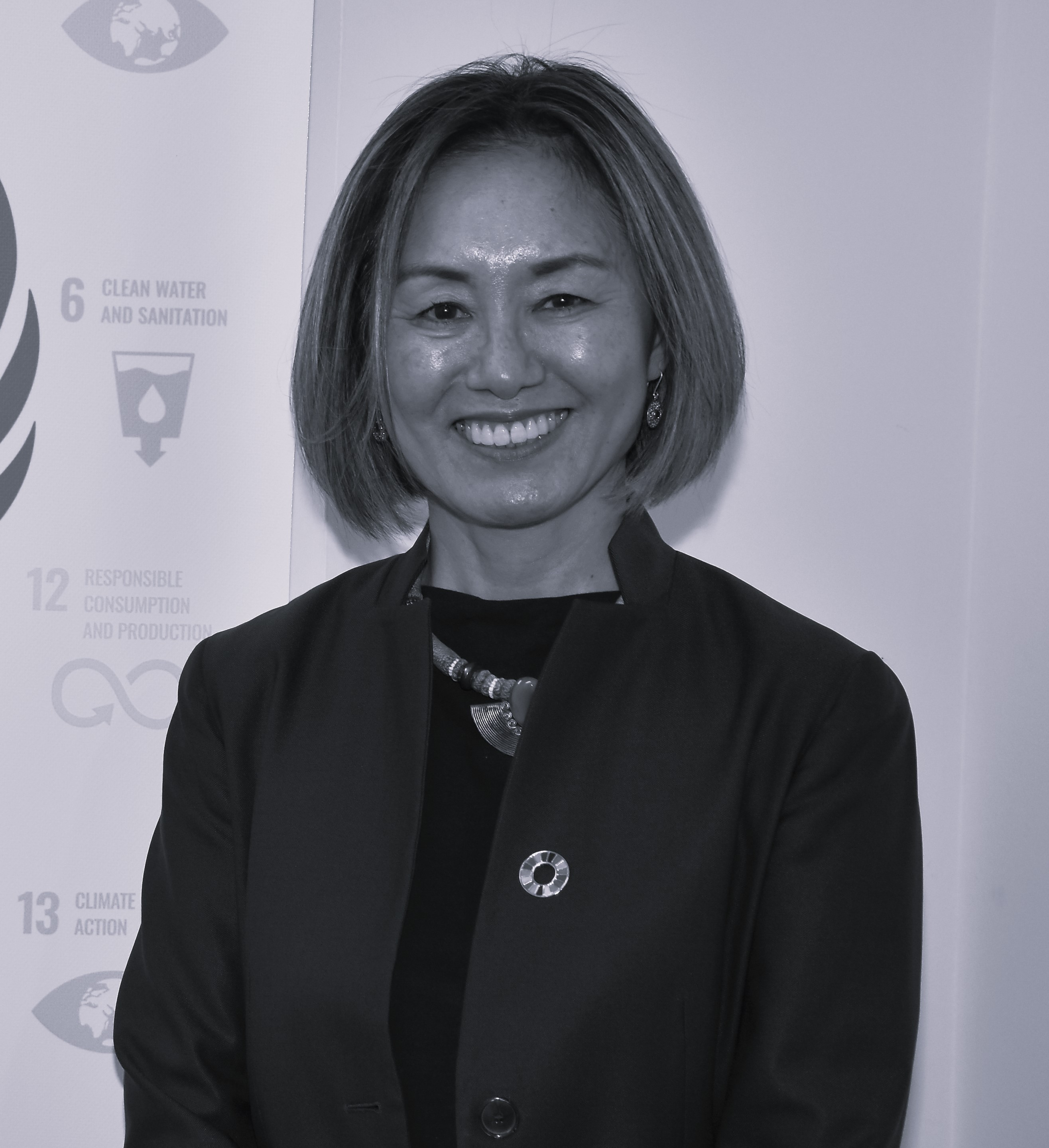
Gwi-Yeop Son
Regional Director, UN Development Coordination Office for Europe and Central Asia
Dr. Raúl Muñoz Castillo
Lead Global Technical Specialist, Water and Rural Infrastructure, IFADHigh Level Panel on Water Resilience for Climate Adaptation: From Innovation to Global Action (COP31 Pathway)
As climate change intensifies, water has become the primary channel through which climate risks materialize—affecting food security, public health, ecosystems, energy systems, and economic stability.
Increasing droughts, floods, land degradation, and water-related disasters underscore that water resilience is not only an environmental priority but a cornerstone of climate change adaptation.
Yet adaptation efforts remain underfunded, fragmented, and insufficiently aligned with water governance systems.
This High-Level Panel (HLP) will position water resilience at the heart of the global climate adaptation agenda in the lead-up to COP31 in Antalya.
In line with the 5th Istanbul International Water Forum’s theme, “Strengthening Water Resilience: Innovation to Action,” the session will emphasize the integration of water into adaptation policies and climate-resilient development pathways.
A central pillar of the discussion will be climate finance for water adaptation. The panel will explore how multilateral development banks, climate funds, blended finance mechanisms, and private sector instruments can scale up investment in water-resilient infrastructure, early warning systems, ecosystem-based adaptation, wastewater reuse, and digital monitoring solutions.
Particular attention will be given to overcoming barriers to bankability, improving project preparation pipelines, and enhancing locally led adaptation approaches in vulnerable regions.
A further critical dimension of advancing water resilience is the central role of science-based decision-making. Robust hydrological data, climate projections, risk assessments, and interdisciplinary research are essential to inform adaptive water governance, infrastructure planning, and investment prioritization. Strengthening collaboration between scientific institutions, policy-makers, and financial actors will ensure that adaptation strategies are grounded in evidence, responsive to regional climate scenarios, and aligned with long-term resilience objectives. In this context, enhanced utilization of IPCC assessments, national climate modelling capacities, and open-access data platforms will be vital to bridge the science–policy–finance interface and to translate knowledge into actionable, scalable solutions.
Early warning systems and advanced meteorological forecasting constitute indispensable pillars of water resilience in an era of intensifying climate extremes. Accurate, timely, and impact-based weather and hydrological forecasts enable governments and communities to anticipate droughts, floods, heatwaves, and extreme precipitation events, thereby reducing loss of life, safeguarding critical infrastructure, and protecting agricultural productivity.
Strengthening multi-hazard early warning systems—supported by improved observation networks, satellite technologies, digital modelling tools, and last-mile communication mechanisms enhances preparedness and risk-informed decision-making at all levels.
Investing in modern forecasting capacities and community-centered alert systems not only delivers high economic returns but also represents one of the most cost-effective adaptation measures within climate-resilient water management strategies.
The session will also address the WEFE nexus as integrated approaches that strengthen adaptation outcomes while maximizing co-benefits across sectors.
By generating concrete policy messages and finance-oriented recommendations, the HLP will contribute directly to COP31 discussions, advocating for stronger recognition of water within global adaptation finance architecture. The panel will reinforce Türkiye’s leadership in linking water diplomacy, climate resilience, and multilateral adaptation processes advancing a transition from innovation to scalable, finance-backed global action on water resilience.
Objectives and expected outcomes:
- Position water resilience as a core driver of climate adaptation under COP31
- Identify pathways to mobilize climate finance for water-resilient infrastructure
- Promote integrated approaches (WEFE Nexus)
- Deliver a concise policy message to be transmitted to COP31
Keywords: Water Resilience, Climate Adaptation, Finance Mobilization, Water–Energy–Food–Ecosystem (WEFE) Nexus