

S 1.3 (Marmara Hall)
- Day: Day 2
- Time: 15:50 - 16:50
- Room: Marmara
- Moderator(s): Burcu Çallı

 concept-note_s-1-3_strengthening-capacities-for-a-water-resilient-world
 pdf
pdf 755.17 KB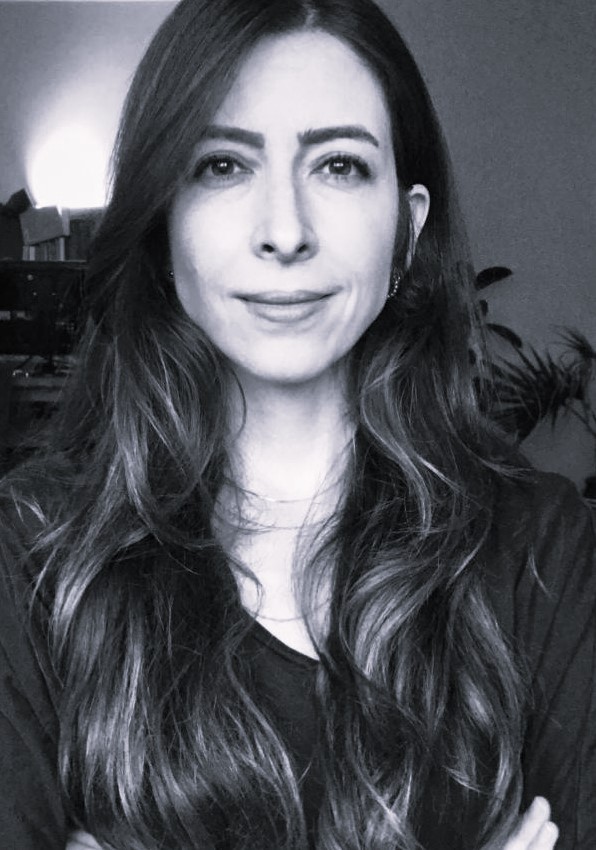
Burcu Çallı
Expert, Turkish Water Institute (SUEN)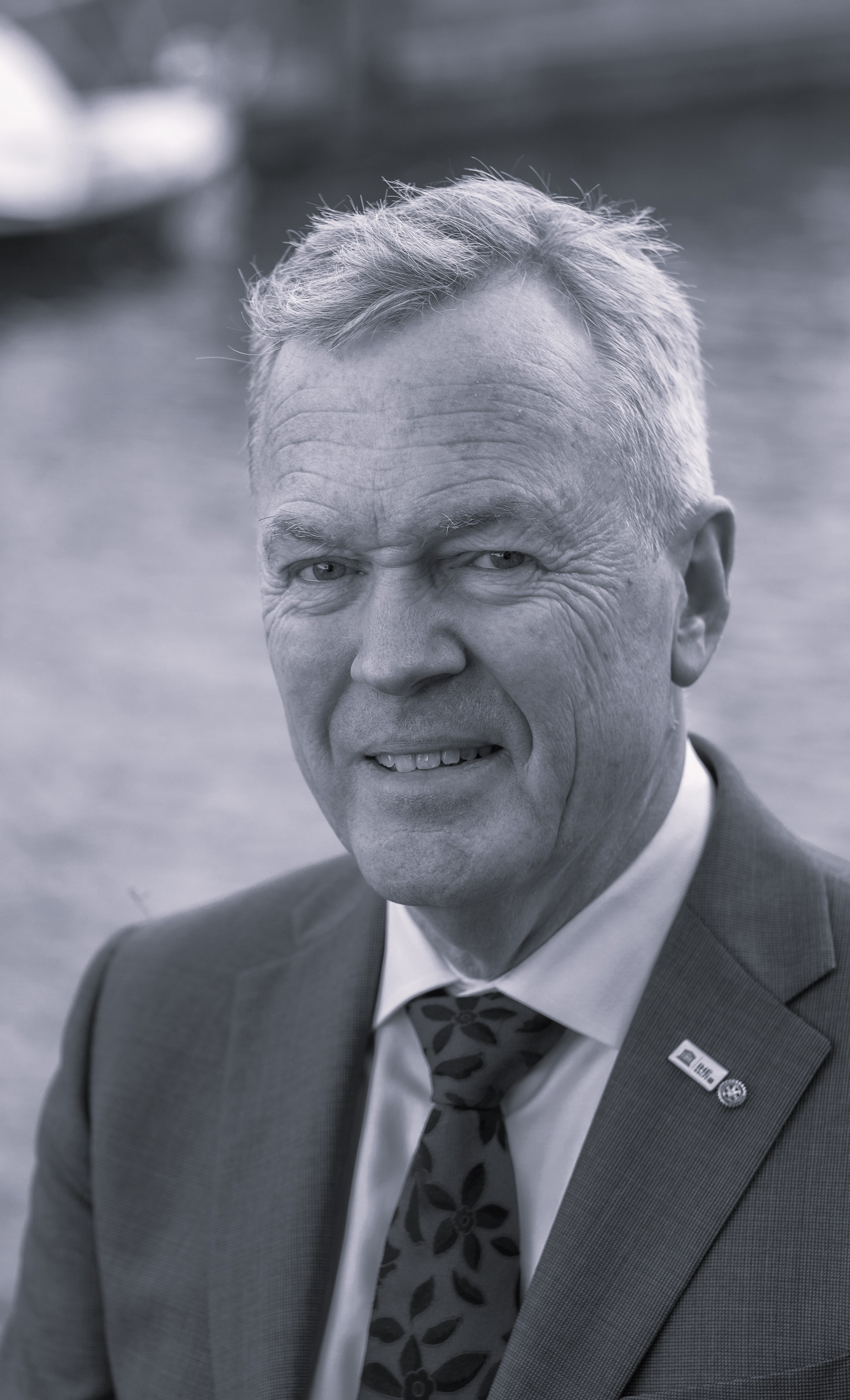
Prof. Eddy Moors
Special Advisor, IHE Delft Institute for Water Education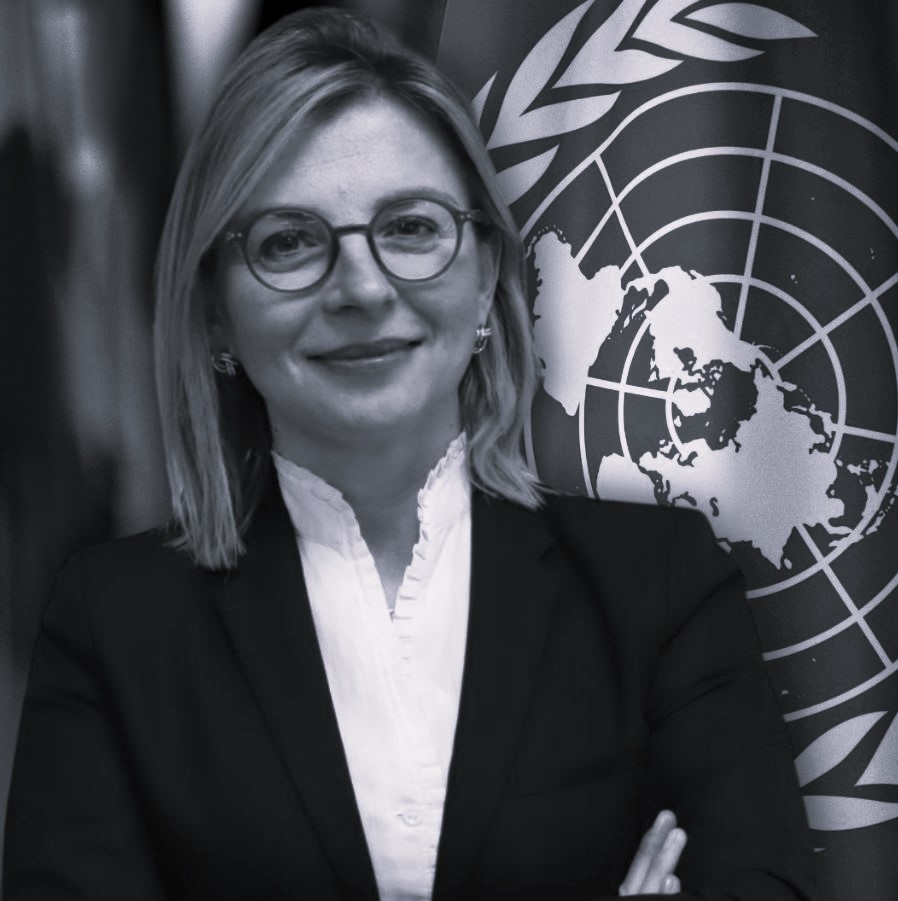
Prof. Ebru Canan Sokullu
Director, UNITAR Global Water Academy - Associate Head, CIFAL Global Network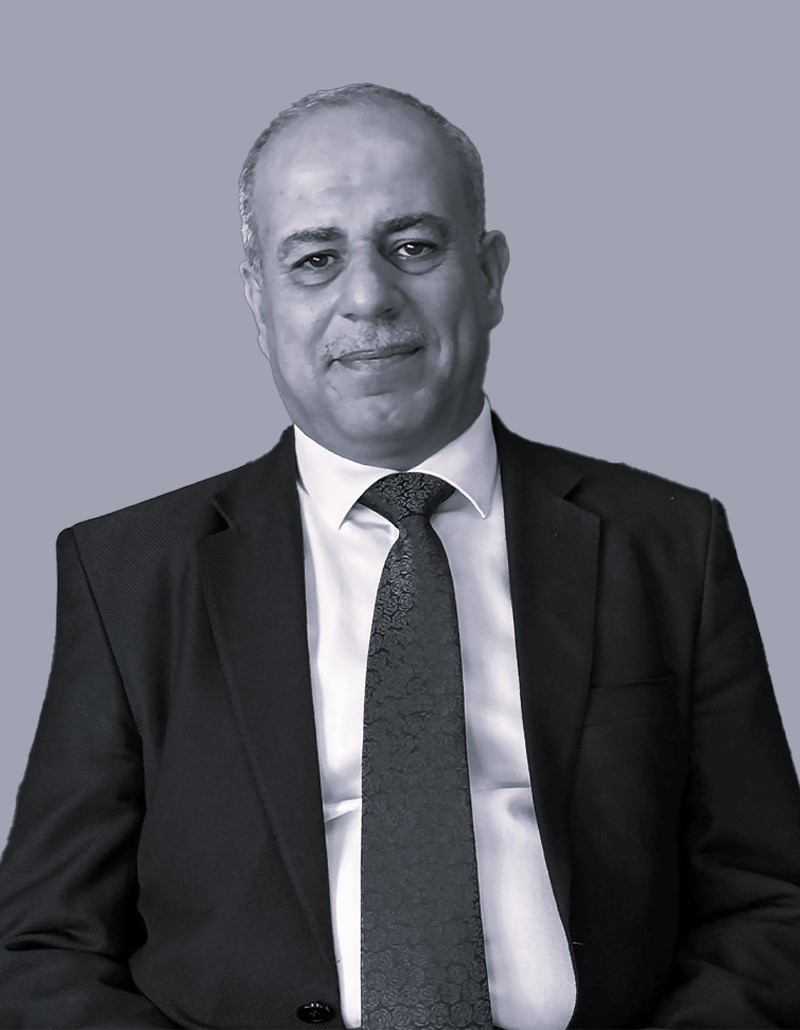
Prof. Mutawakil Obeidat
Director, JUST Water Diplomacy Center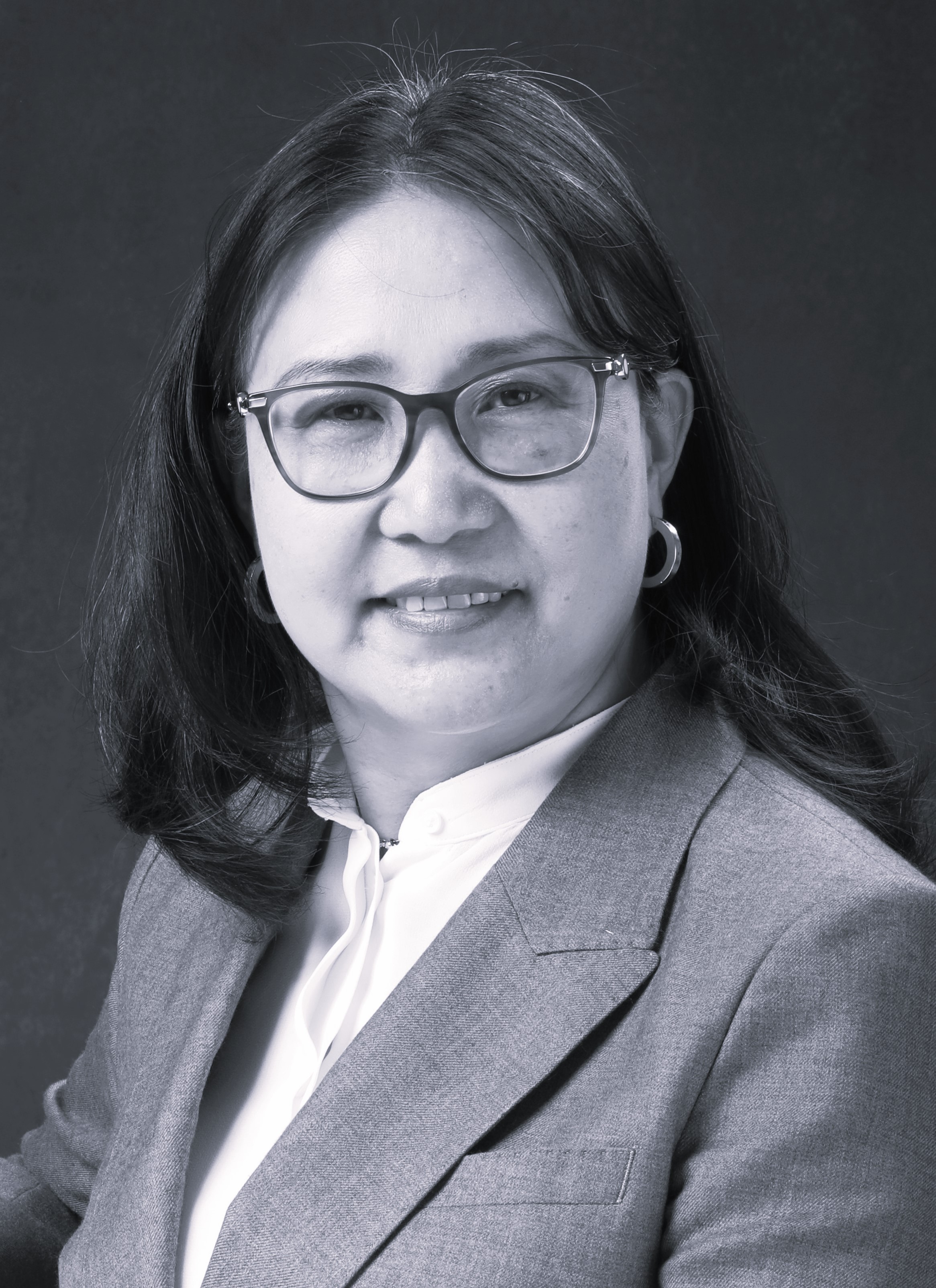
Dr. Sarantuyaa Zandaryaa
Programme Specialist, Division of Water Sciences, Intergovernmental Hydrological Programme (IHP), UNESCO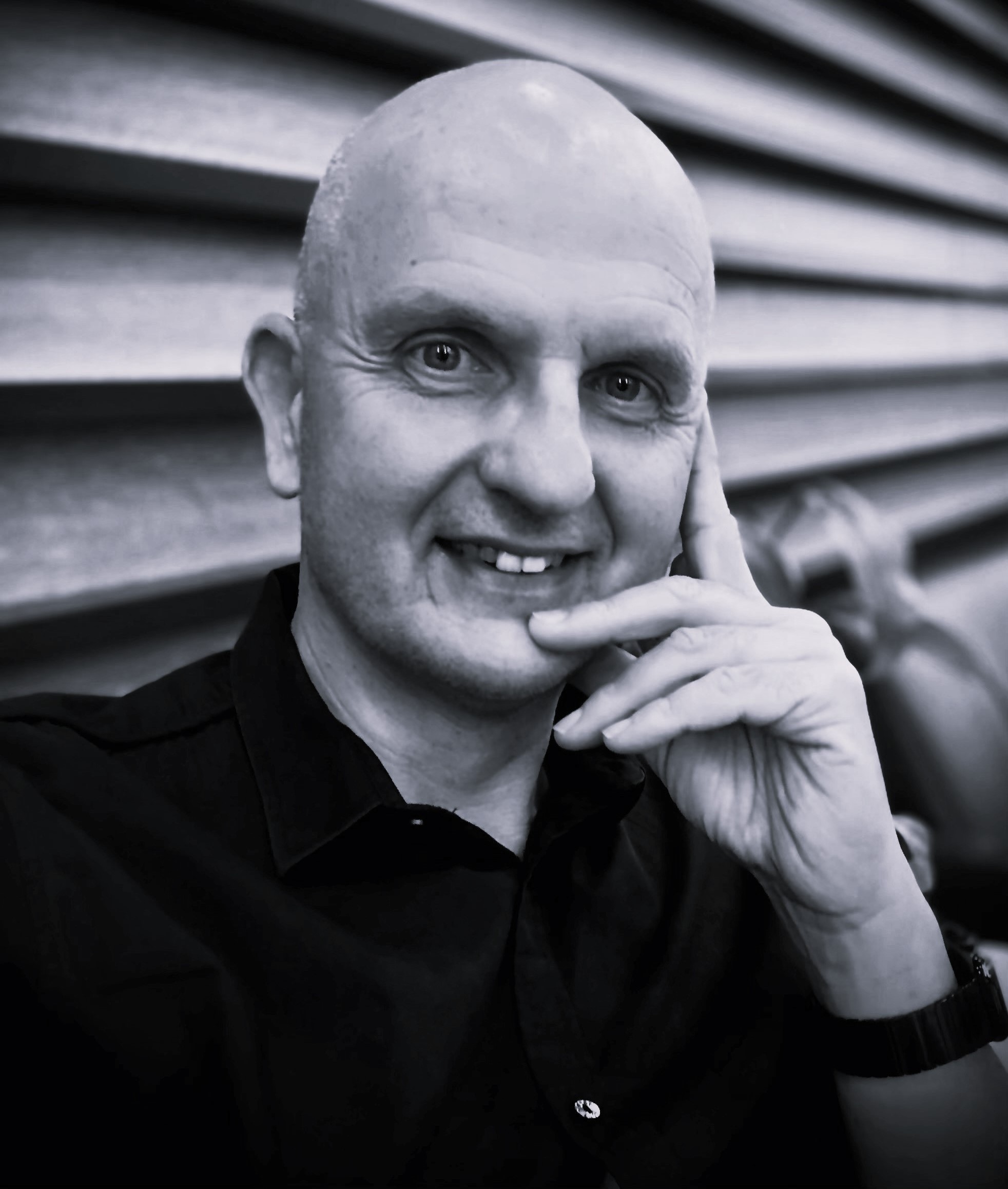
Dr. Bernd Manfred Gawlik
Portfolio Co-Leader for Climate and Water Resilience, EC-JRC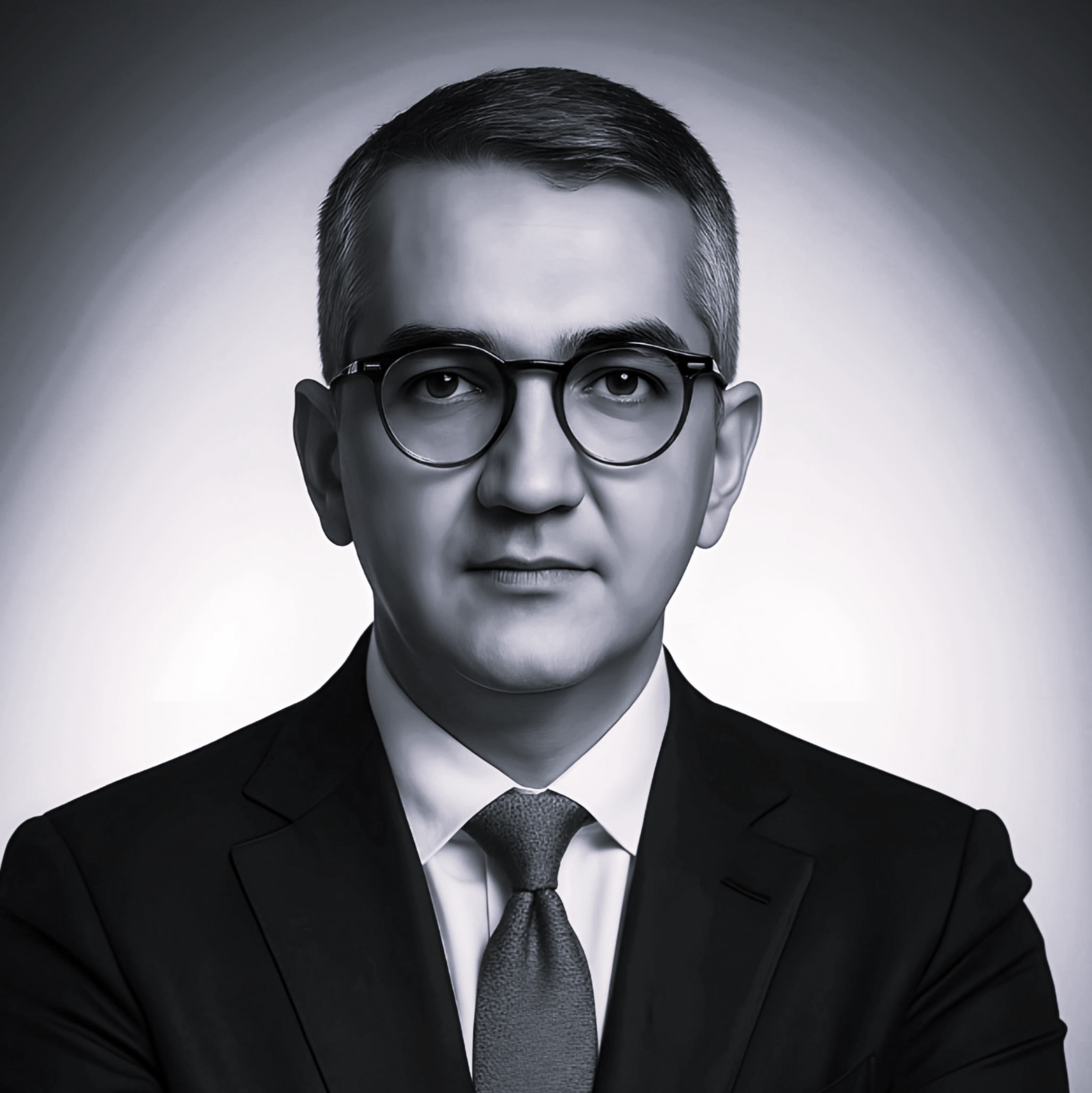
Dr. Atilla Karaman
Director of Training and Technical Cooperaiton, Statistical, Economic and Social Research and Training Centre for Islamic Countries (SESRIC)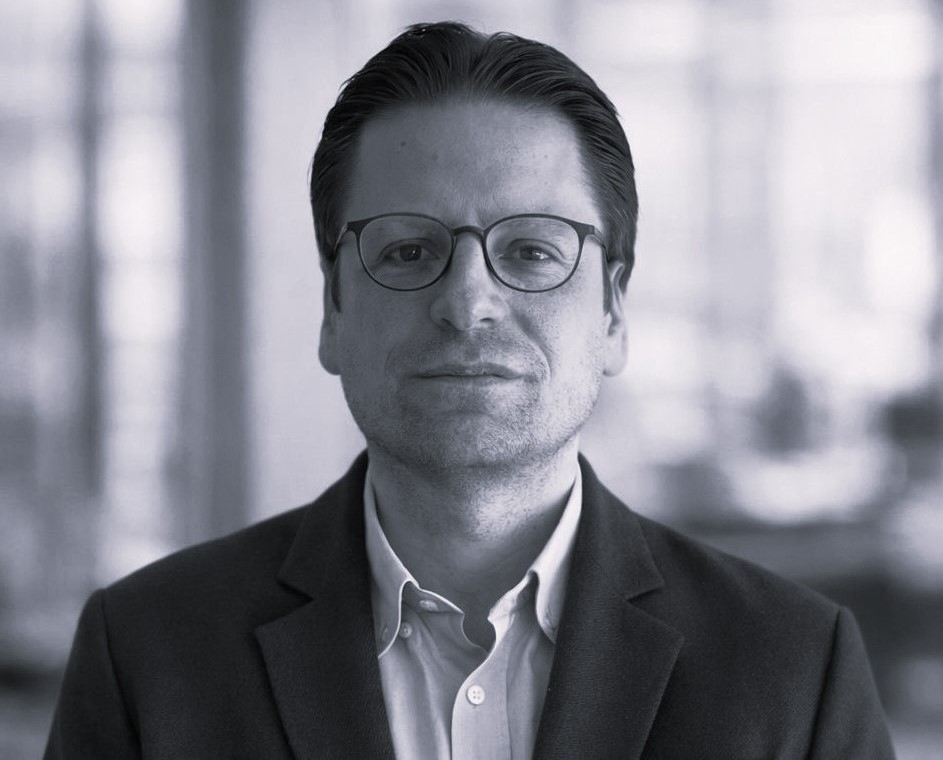
Mustafa Salih Sarıkaya
Capacity Development and Publications Coordinator, Turkish Water Institute (SUEN)Strengthening Capacities for a Water-Resilient World
On the way to 2030 and beyond, substantial share of additional efforts should focus on strengthening the capacities of institutions, professionals, and stakeholders responsible for managing water resources. Resilient water management depends not only on infrastructure and technology but also on the knowledge, leadership, and coordination capacities of those who govern and implement it.
The session will analyse the current demand and offer of training in the water sector, exploring how capacity-building initiatives can bridge gaps between technical expertise, institutional performance, and long-term water resilience. It will discuss the benefits of investing in targeted, adaptable and scalable capacity building programs that enhance managerial and operational skills while promoting innovation and adaptive learning.
Capacity development is a long-term investment that begins with careful needs assessment and strategic prioritization. Networks and partnerships, including South-South and Triangular Cooperation, can accelerate mutual learning and amplify the impact of capacity initiatives across regions. The discussion will also highlight the importance of scalability and customization to address local realities and evolving global challenges, and to promote active engagement of youth and women in water management.
Finally, the session will emphasize the potential of digital learning platforms to democratize access to knowledge, reduce financial gaps, and enable continuous professional development. By connecting institutions, professionals, and training providers, the session aims to chart a way forward for coordinated capacity-building that supports a water-resilient world.
Objectives and expected outcomes:
- To advocate for capacity development as a central pillar of water resilience and a key enabler of SDG 6 acceleration.
- To assess existing training needs and offers, identifying priority areas for technical, managerial, and institutional skill enhancement.
- To exchange good practices on scalable and customized training programs and collaborative learning mechanisms.
- To explore digital and mixed learning tools that can reduce financial barriers and expand access to knowledge.
- To formulate actionable recommendations for strengthening institutional and human capacities in the water sector ahead of the UN 2026 Water Conference.
Keywords: Capacity development, water resilience, training, digital learning, cooperation