

S 1.1 (Marmara Hall)
- Day: Day 2
- Time: 12:20 - 13:20
- Room: Marmara
- Moderator(s): Dr. Olcay Ünver

 concept-note_s-1-1_water-cooperation-for-resilience-dialogue-in-action-on-the-path-to-the-un-2026-water-conference
 pdf
pdf 762.07 KB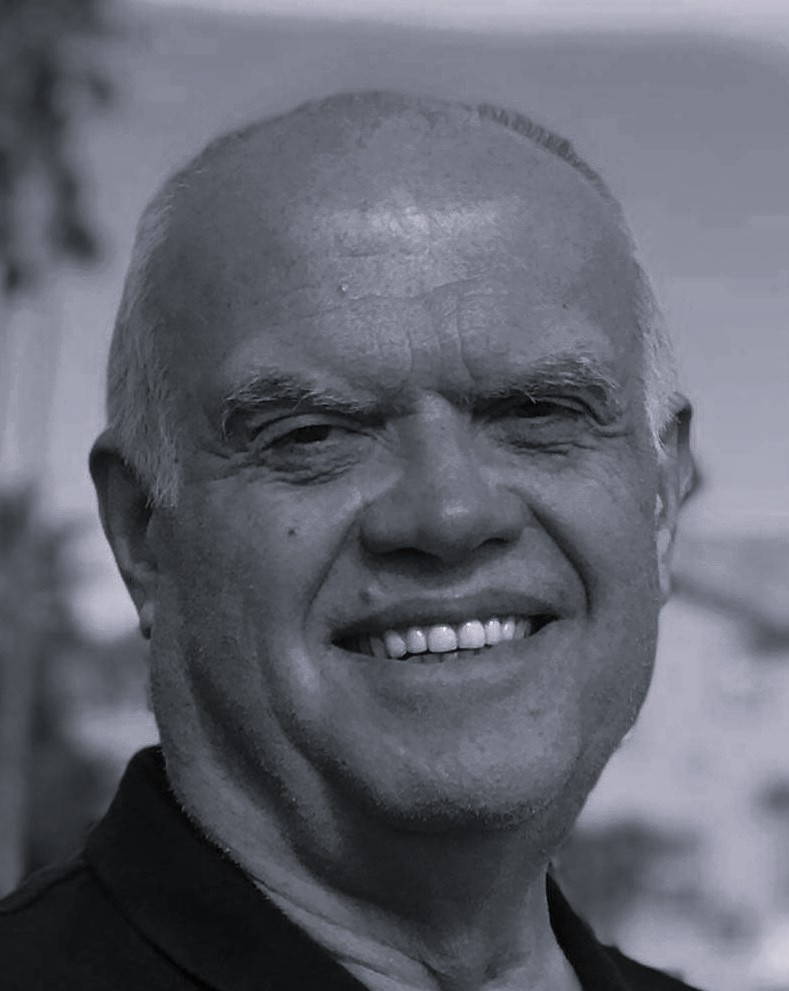
Dr. Olcay Ünver
Professor of Practice, Arizona State University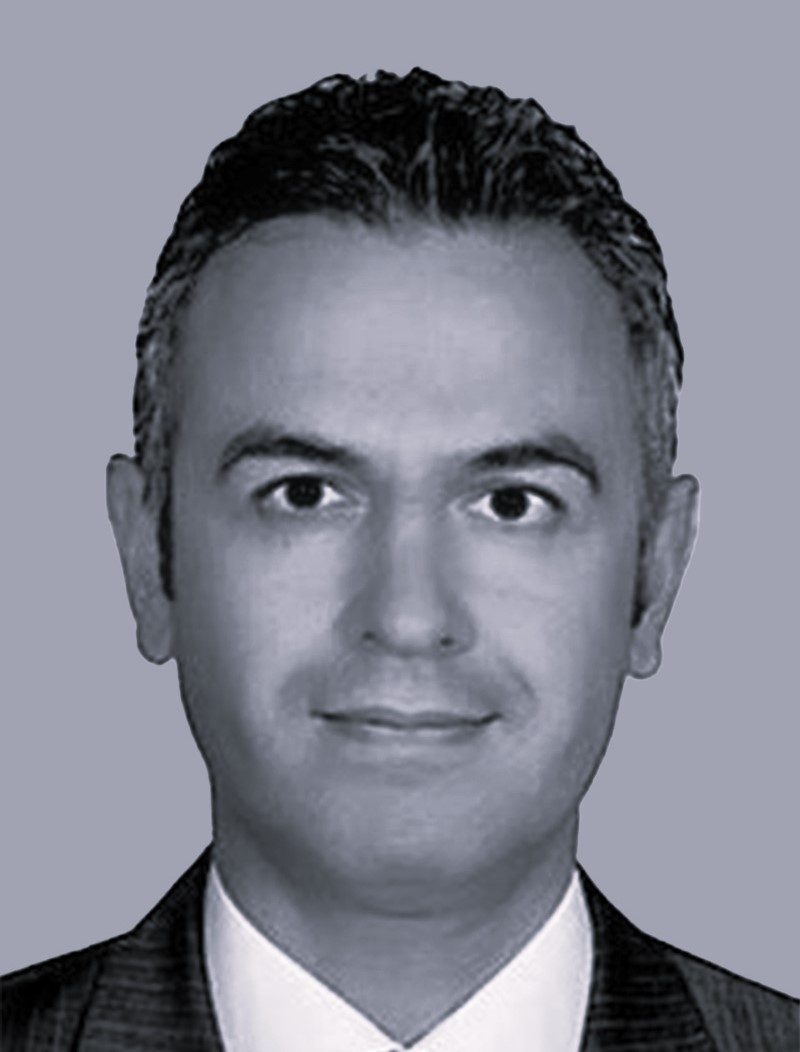
Ambassador Zafer Ateş
Director General for Energy, Environment and Transboundary Waters, Ministry of Foreign Affairs of Türkiye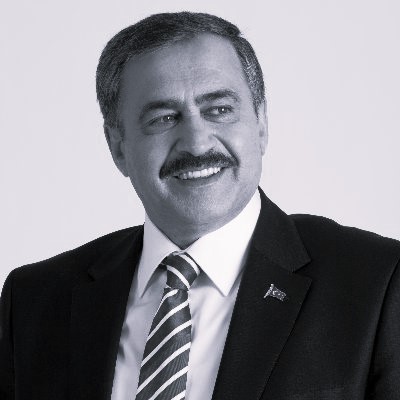
Prof. Veysel Eroğlu
Türkiye's Special Envoy to Iraq, Former Minister of Forestry and Water Affairs of Türkiye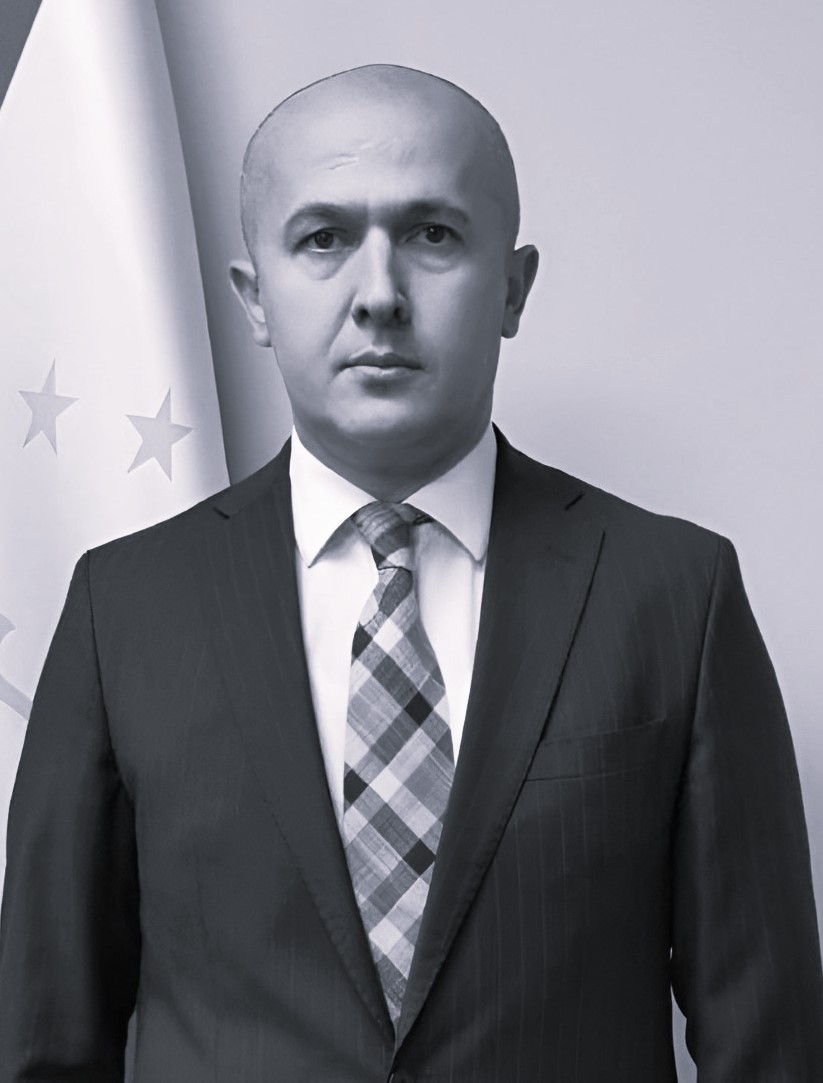
Sanoi Boyzoda
Deputy Minister of Foreign Affairs of the Republic of Tajikistan
Antti Rautavaara
Special Envoy for Water, Finland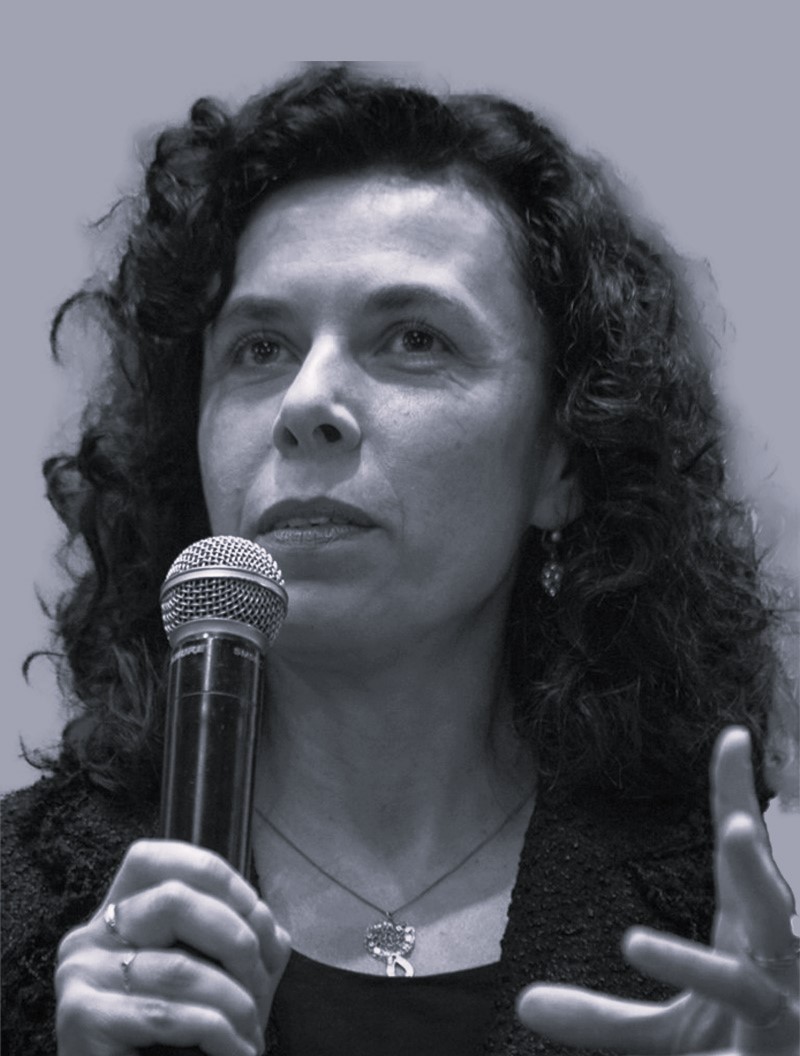
Ambassador Tanja Miškova
Ambassador-at-Large for Water Diplomacy, Slovenia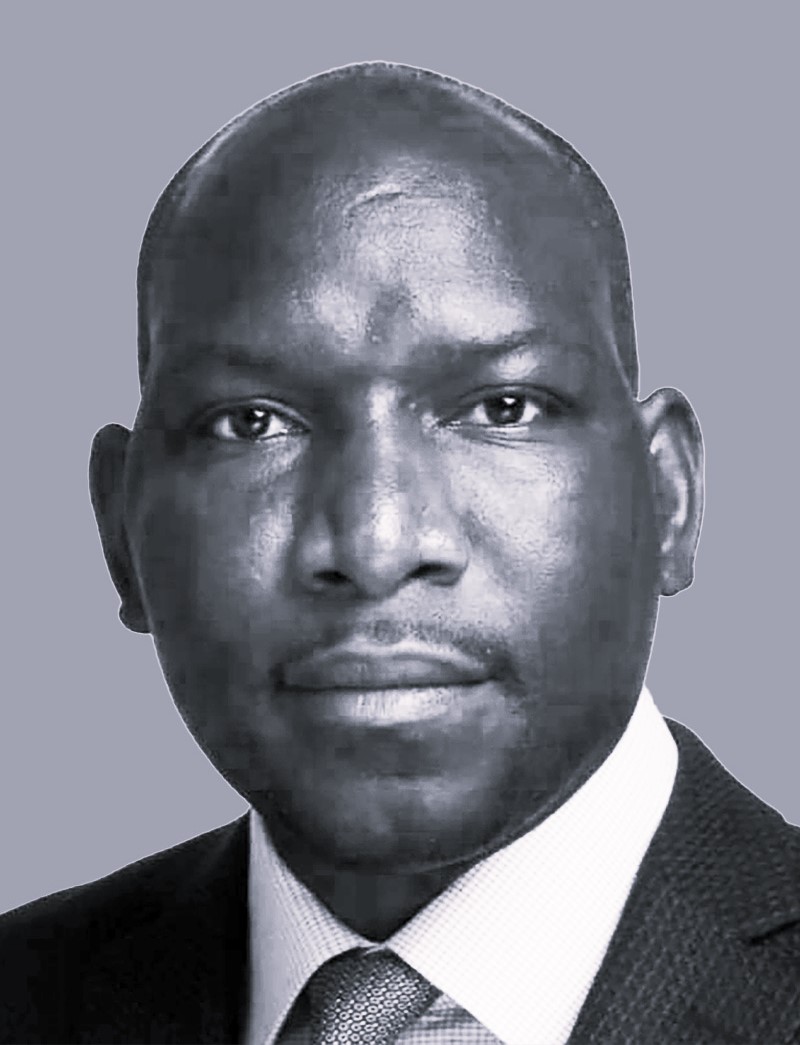
Dr. Mohamed Diatta
Senegal's Sherpa for 2026 UN Water Conference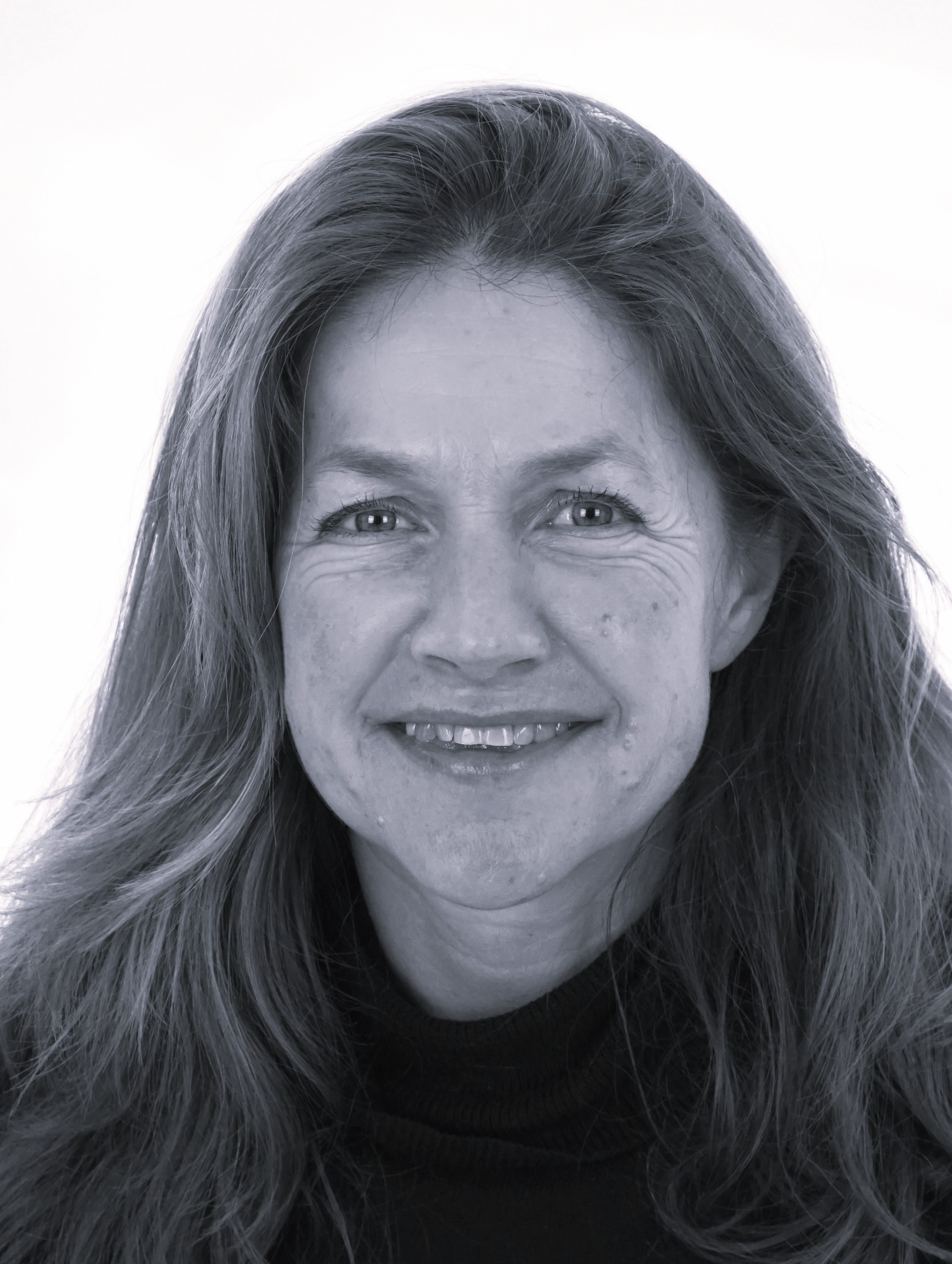
Elizabeth Sellwood
Senior Advisor, United Nations Environment Programme (UNEP)Water Cooperation for Resilience: Dialogue in Action on the Path to the UN 2026 Water Conference
Water is not only a vital resource but also a bridge that connects people, sectors, and ideas. When managed efficiently, it becomes a powerful instrument of cooperation. And in an era of uncertainties, water cooperation can serve as a foundation for building resilience. Yet, despite global efforts, progress toward SDG 6 remains off track due to fragmented governance, insufficient financing, and limited institutional capacity. Strengthening coordination, inclusivity, and integrated action across borders and sectors is essential to accelerate change.
Dialogue as a long-term process enlarges the space for collective action and joint progress. Resilience emerges when dialogue transforms differences into opportunities and shared challenges into shared benefits.
This session will explore how dialogue and cooperation can drive transformative progress in water management and resilience, drawing lessons from diverse experiences. It focuses on transforming dialogue into practical, cooperative action at local, national, regional, transboundary and global levels. Looking ahead to the UN 2026 Water Conference and the post-2030 agenda, it is aimed to contribute to shaping a forward-looking vision, a vision that emphasizes sustainability, equity, solidarity, innovation, and resilience also beyond SDG 6. The session will explore complementary dimensions of dialogue.
Bringing together policymakers, diplomats, researchers, and representatives of international organizations, the discussion will highlight the importance of trust-building, inclusive dialogue, and science-based cooperation.
In line with the broader climate momentum, the outcomes of the session will contribute to the COP31, to be hosted by Türkiye in 2026. Ultimately, by connecting diverse perspectives and showcasing shared benefits from cooperative approaches, the session will seek to deliver policy messages to the UN 2026 Water Conference, advancing the transition from discussions to actions that strengthen water resilience and foster cooperation through continuous dialogue.
Objectives and expected outcomes:
- To promote inclusive dialogue that strengthens cooperation in addressing common water challenges.
- To showcase practical examples of water cooperation at local, national, regional, and transboundary levels.
- To provide clear insights into how dialogue can facilitate trust-building, joint action, and science-based cooperation.
- To consolidate water cooperation and solidarity as core pillars of resilience in the final five years of the 2030 Agenda.
- To identify actionable pathways for translating global commitments under the 2030 Agenda into concrete measures.
- To contribute to shaping a forward-looking vision for the COP 31 which will be held in Türkiye in 2026
- To deliver clear policy messages and priority recommendations for submission to the UN 2026 Water Conference
- To contribute to international discussions on water resilience, cooperation, and the post-2030 vision.
Keywords: Water Cooperation, Resilience, Dialogue, UN, SDG6