

S 1.2 (Dolmabahçe A (1) Hall)
- Day: Day 1
- Time: 17:40 - 18:40
- Room: Dolmabahçe A (1)
- Moderator(s): Dr. Tuğba Evrim Maden

 s-1-2-concept-note_inclusive-water-dialogue-and-partnerships
 pdf
pdf 621.89 KB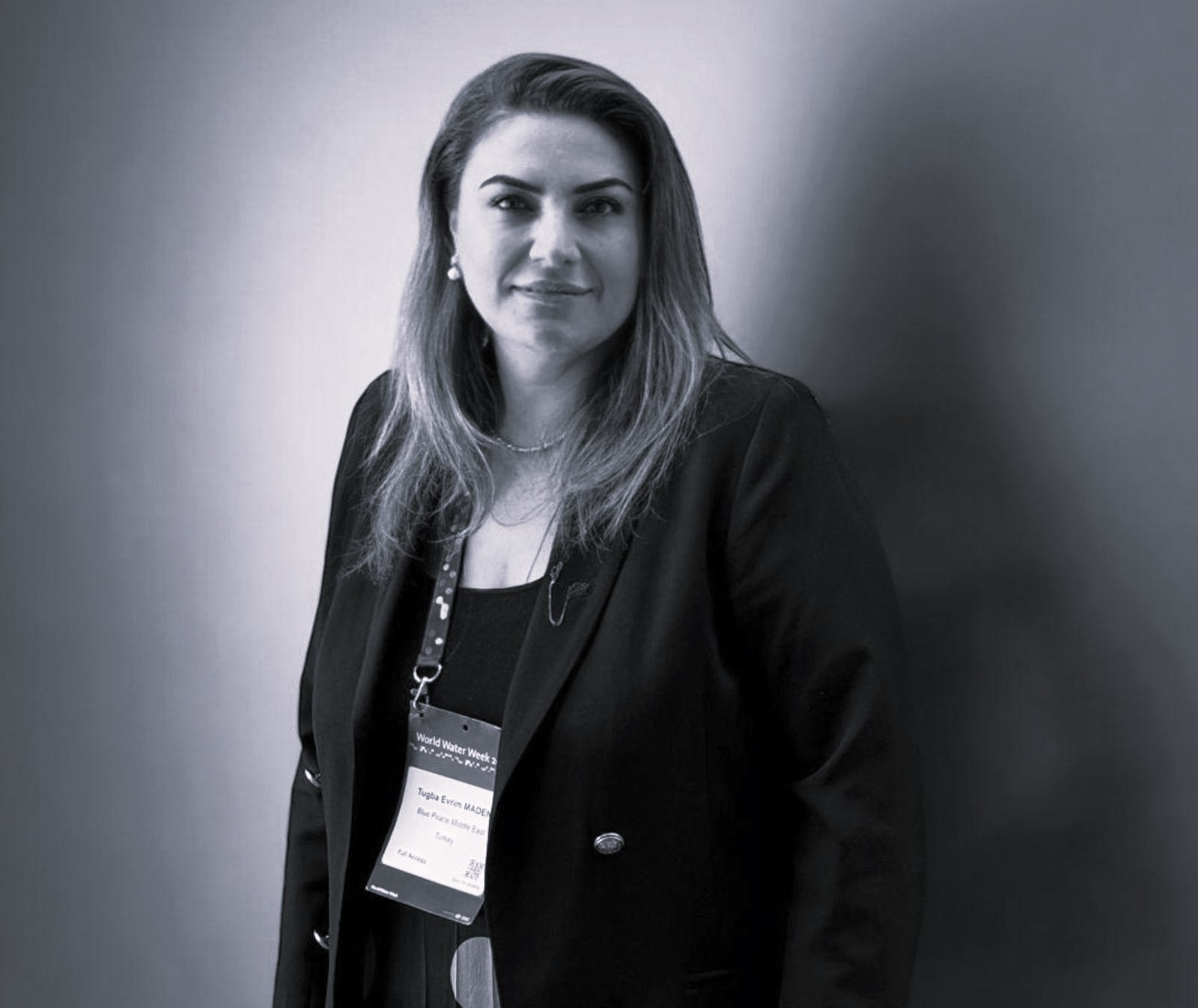
Dr. Tuğba Evrim Maden
Policy Development Coordinator, Turkish Water Institute (SUEN)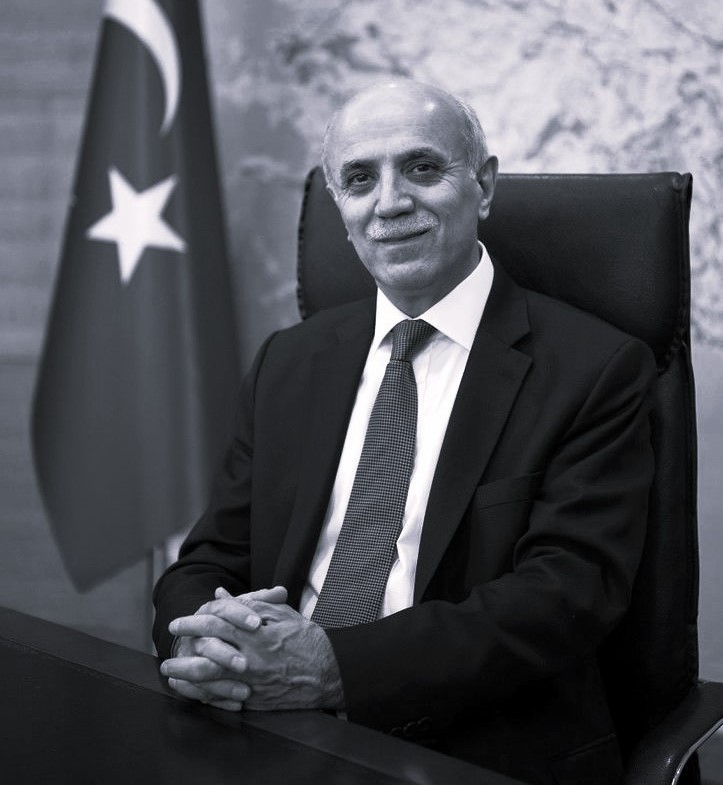
Prof. Lütfi Akca
President, Turkish Water Institute (SUEN)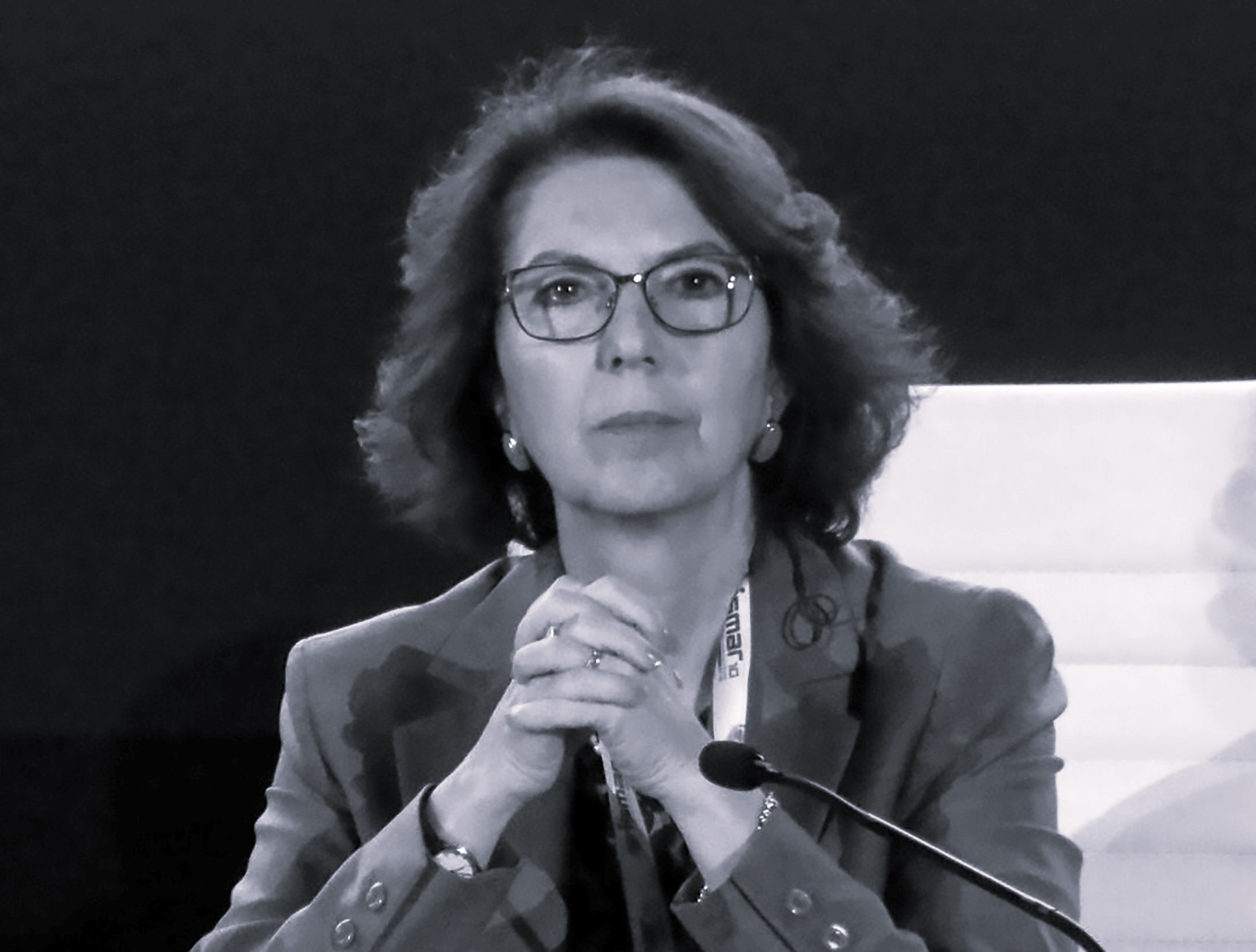
Dr. Alice Aureli
Vice-President, International Water Resources Association (IWRA)
Dr. Martina Klimes
Senior Manager/Advisor, SIWI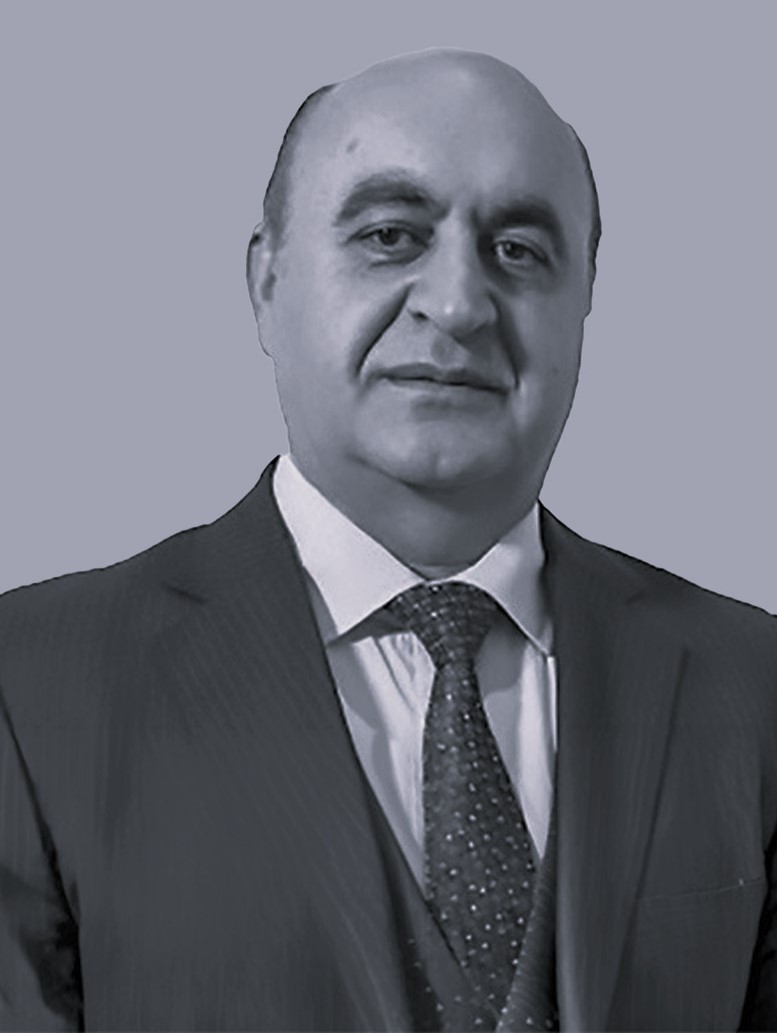
Mohamed Amin Faris
Chairperson of the Managing Committee, Blue Peace Middle East
Dr. Dinara Ziganshina
Director, SIC ICWC
Natasha Carmi
Senior Water-Peace Programme Manager, Geneva Water Hub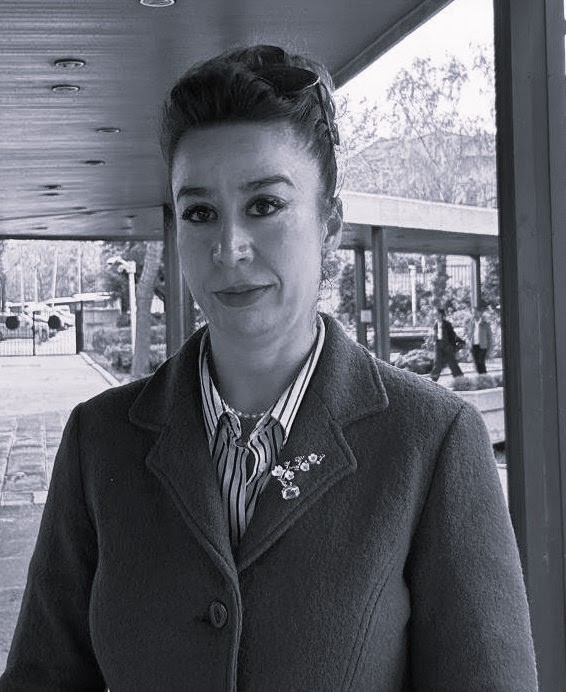
Simla Yasemin Özkaya
Advisor for Transboundary Waters and Environment, Ministry of Foreign AffairsInclusive Water Dialogue and Partnerships
Effective water cooperation begins not only with institutions and agreements, but with the ability of actors to develop a shared mindset and a common language around water challenges and solutions. In a world increasingly shaped by climate stress, water scarcity, and political complexity, cooperation cannot be sustained through fixed frameworks or institutional arrangements alone. It requires continuous engagement, mutual understanding, and inclusive dialogue processes that connect decision-makers, technical experts, practitioners, and communities.
This session focuses on how inclusive water initiatives and cooperative platforms can help align perspectives, reduce fragmentation, and create a common ground for collective action. By bringing together actors operating at different levels and capacities, such dialogue spaces enable trust-building, facilitate the exchange of knowledge and experience, and support the gradual convergence of priorities, narratives, and policy approaches.
The session will explore how structured yet flexible dialogue mechanisms contribute to the emergence of shared principles, coordinated responses, and durable partnerships. Particular emphasis will be placed on cooperation tools that allow sensitive issues to be addressed constructively, scientific and technical insights to inform policy, and diverse voices including women and youth to be meaningfully integrated into water-related decision-making.
Aligned with the Water Dialogue for Resilience sub-theme of the 5th Istanbul International Water Forum, the session also contributes to the global momentum toward the UNFCCC COP31 and the UN 2026 Water Conference to be hosted by Türkiye.
By transforming dialogue into cooperation, inclusive partnerships can turn water into a platform for trust, solidarity, and long-term resilience across sectors and borders.
Objectives and expected outcomes:
- To highlight the role of inclusive water dialogue as a practical cooperation tool for strengthening water resilience under climate stress
- To demonstrate how dialogue-based initiatives and partnerships contribute to building a shared mindset and common language on water and climate challenges
- To explore cooperation mechanisms that connect policy, science, and practice across different governance levels
- To promote trust-based engagement that enables constructive discussion of water-related issues
Keywords:
Water cooperation, Partnerships and trust-building, Multi-stakeholder engagement, Science–policy–practice interface, Water Governance and Water diplomacy