
S 3.2 (Anadolu Auditorium)
- Day: Day 2
- Time: 17:10 - 18:10
- Room: Anadolu Auditorium
- Moderator(s): Prof. Mehmet Kitiş, Prof. Bilge Alpaslan Kocamemi

 s-3-2-adapting-wash-services-to-climate-challenges-1
 pdf
pdf 729.87 KB
Prof. Mehmet Kitiş
Süleyman Demirel University
Prof. Bilge Alpaslan Kocamemi
Board Director, IWRA - Advisor, Turkish Water Institute (SUEN)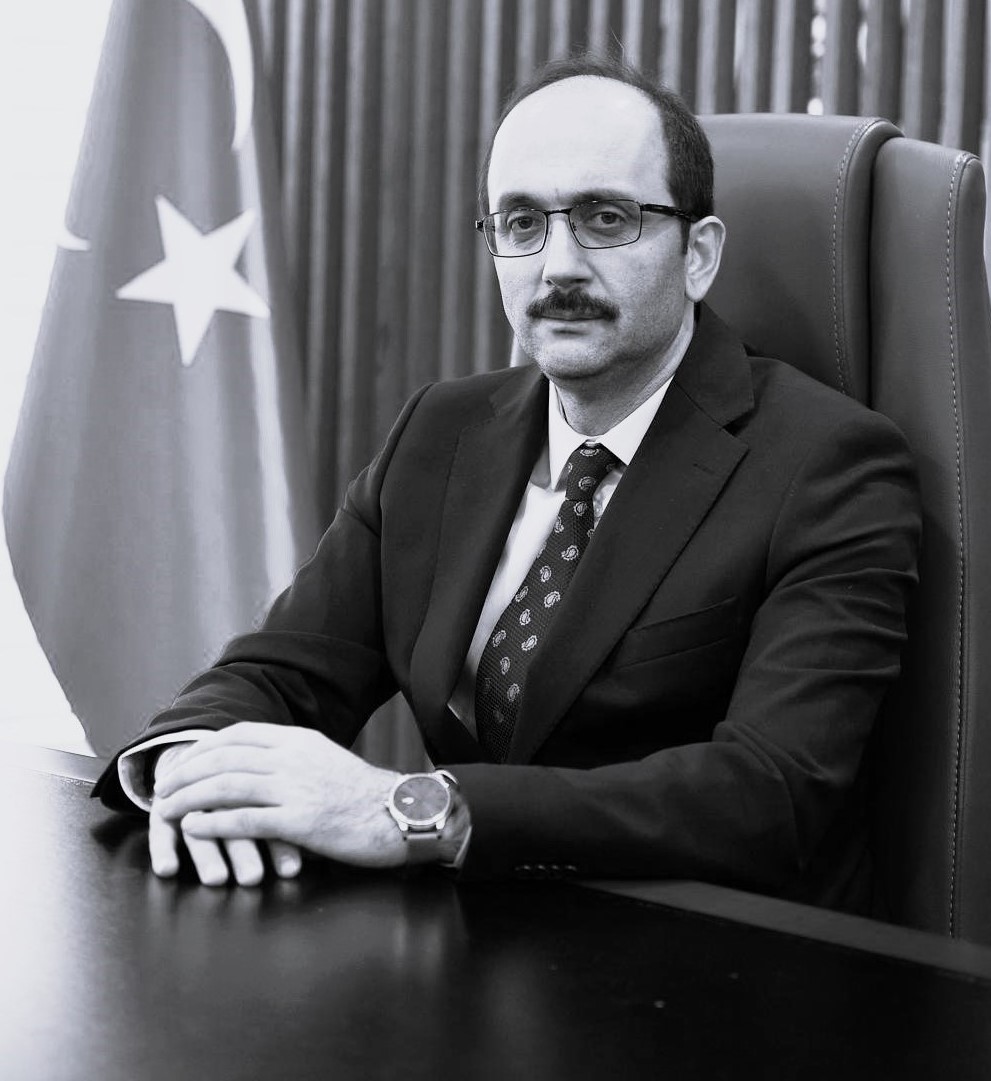
Mehmet Akif Balta
Director General, General Directorate of State Hydraulic Works (DSİ)
Kate Medlicott
Team Lead of Sanitation and Wastewater, World Health Organization (WHO)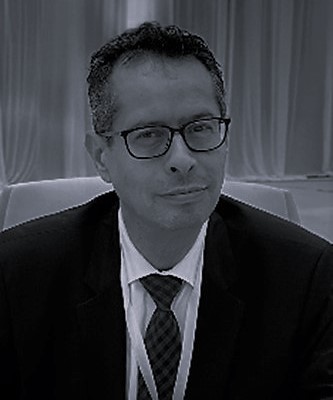
Dr. Nizar Zaied
Manager, Agriculture, Water Resources and Rural Development Division, Islamic Development Bank (IsDB)
Mahir Özcan
Deputy Director General, General Directorate of Water Management
Richard Berman
Associate Vice President for Strategic Initiatives, Research and Innovation, University of South Florida
Prof. Emine Didem Evci Kiraz
Aydın Adnan Menderes University
Claudia Topalli
Head of EU Affairs & Government Relations, IDEXX Laboratories Inc
Assoc. Prof. Şafak Başa
Director General, Istanbul Water and Sewarage Administration (İSKİ)Adapting WASH Services to Climate Challenges
The escalating impacts of climate change, such as irregularities in precipitation regimes, increased evaporation due to extreme temperatures, and the rising frequency of flood and drought risks, directly affect the sustainability of drinking water services in terms of both quantity and quality. In addition, disaster situations—including earthquakes, floods, and wildfires—can abruptly disrupt WASH services and create acute One Health risks. The objective of this session is to address drinking water management as well as sanitation services, one of the fundamental components of WASH (Water, Sanitation, and Hygiene) services, from a climate adaptation perspective and to provide a holistic framework for decision-makers, local governments, technical experts, and practitioners.
Within the scope of the session, the management of drinking and utility water resources will be analyzed together with the effects of changing climate conditions on water quality and quantity. This will include the implications for public health, animal health, and environmental integrity. Pollution pressures on the basin scale, land-use changes, the determination and effective management of protection zones, as well as the role of risk-based basin protection plans will be discussed. Action plans under different climate-induced drought scenarios will be deliberated. Furthermore, the role of early warning systems, particularly for climate-resilient basin management, will be addressed. Alternative water sources such as the reuse of treated wastewater, rainwater harvesting, and desalination will be evaluated. The session will emphasize health-based targets and risk management for alternative sources and reuse.
The design and operation of drinking water treatment plants (DWTPs) will also be covered in the session. The impacts of climate-induced water quality problems, such as low-quality raw water during drought periods, on treatment processes in drinking water treatment plants will be evaluated. In addition, topics such as alternative treatment processes, emergency planning and actions, and climate-resilient infrastructure design will be highlighted in terms of sustainable and efficient operation of drinking water treatment in such cases. The preliminary studies required for DWTPs to take necessary operational positions immediately in cases of variable raw water quality will be discussed. The session will also consider additional climate-driven challenges such as increased turbidity and microbial contamination during floods, salinity intrusion, and algal blooms.
Sanitation resilience will be addressed by discussing the vulnerability of wastewater collection and treatment systems to climate extremes and disasters. This will include sewer overflows during floods, treatment plant bypasses, power failures, and contamination of receiving waters. Special emphasis will be placed on non-sewered sanitation and fecal sludge management (FSM) in rural and peri-urban areas. Climate-resilient sanitation options—including decentralized and nature-based solutions—will be explored, aligned with One Health protection goals.
Hygiene will be included as a core adaptation tool, particularly during drought periods and in disaster response settings. The session will highlight handwashing, safe household water handling, menstrual hygiene management, and hygiene in schools and healthcare facilities as key measures to prevent outbreaks.
The importance of managing drinking and utility water security in a way that considers the threats and risks arising from climate change, and preparing plans by taking this situation into account, will be emphasized. Key messages of the session will include the identification of hazards and risks in all processes from source to tap for the protection of public health, the strengthening of monitoring and inspection mechanisms, and the implementation of measures for risk reduction. The session will also promote integrated planning from source to tap and from toilet to environment, including monitoring approaches relevant to antimicrobial resistance risks.
The session aims to discuss innovative and applicable approaches to increase the quality and quantity of water, sanitation, and hygiene services against the impacts of climate change on drinking and utility water security. It will also provide lessons for strengthening WASH services in earthquake-affected and other disaster zones. The session, to be held under the sub-theme “One Water, One Health: Integrated Management of Risks,” aims to provide outputs that will contribute to UNFCCC COP31, to be hosted by Türkiye, and the 2026 UN Water Conference.
Objectives and expected outcomes:
- Assessing the integration of WASH services with national adaptation plans, water safety plans, and relevant policy processes;
- Sharing tools, best practices, and inter-institutional coordination mechanisms for the development of climate-resilient WASH services; contributing to global climate goals in alignment with the UNFCCC COP31 process to be hosted by Türkiye in 2026;
- Assessing and strengthening the climate-resilient design and operation of drinking water and wastewater systems, including treatment plants, raw water quality management, and “source-to-tap” safety planning, while defining necessary municipal adaptation actions;
- Strengthening climate- and disaster-resilient sanitation systems, including wastewater networks and fecal sludge management (FSM), particularly in flood- and earthquake-prone regions;
- Recognizing hygiene as a core adaptation and emergency response measure, including hand hygiene, safe water handling, and WASH in schools and healthcare facilities, under a One Health framework.
Keywords: Raw water, water resources, drinking water treatment plant, drinking water safety, operational management, water, sanitation, hygiene.