

High Level Panel (Anadolu Auditorium):
- Day: Day 2
- Time: 09:00 - 10:30
- Room: Anadolu Auditorium
- Moderator(s): Dr. Renée Martin-Nagle

 high-level-panel-on-water-efficiency-concept-note-1
 pdf
pdf 862.41 KB
Dr. Renée Martin-Nagle
Secretary General, IWRA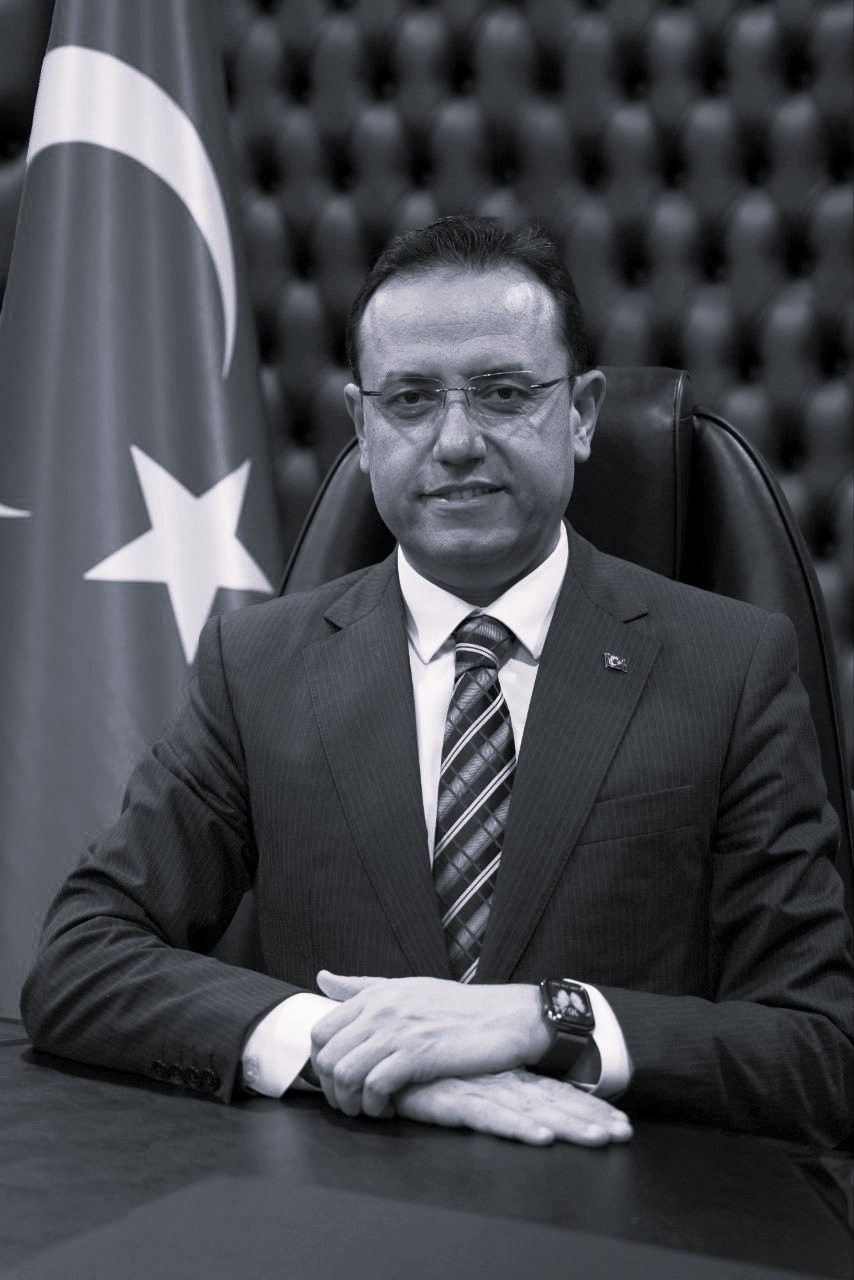
Ebubekir Gizligider
Deputy Minister of Agriculture and Forestry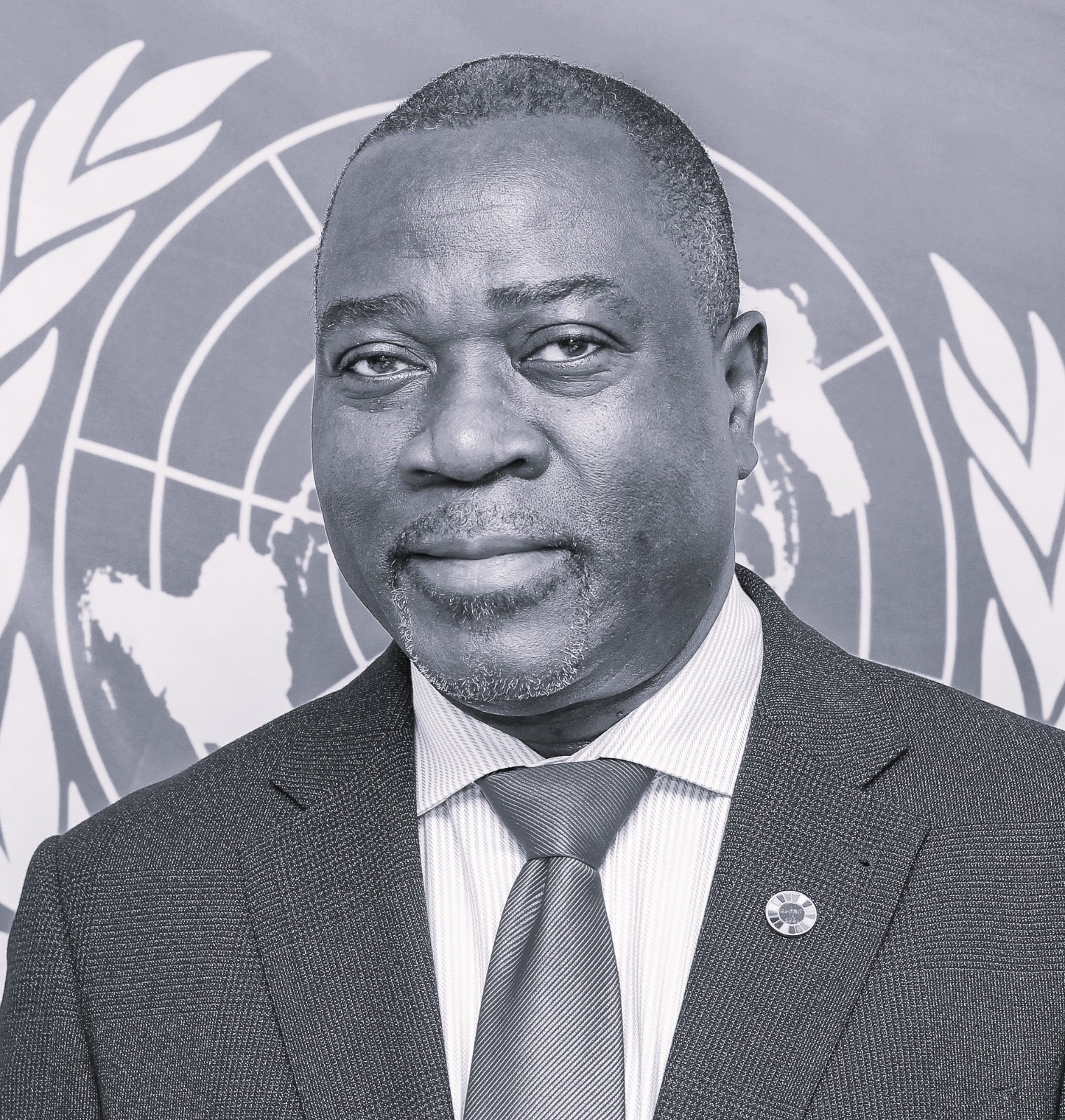
Dr. Babatunde Ahonsi
The UN Resident Coordinator in Türkiye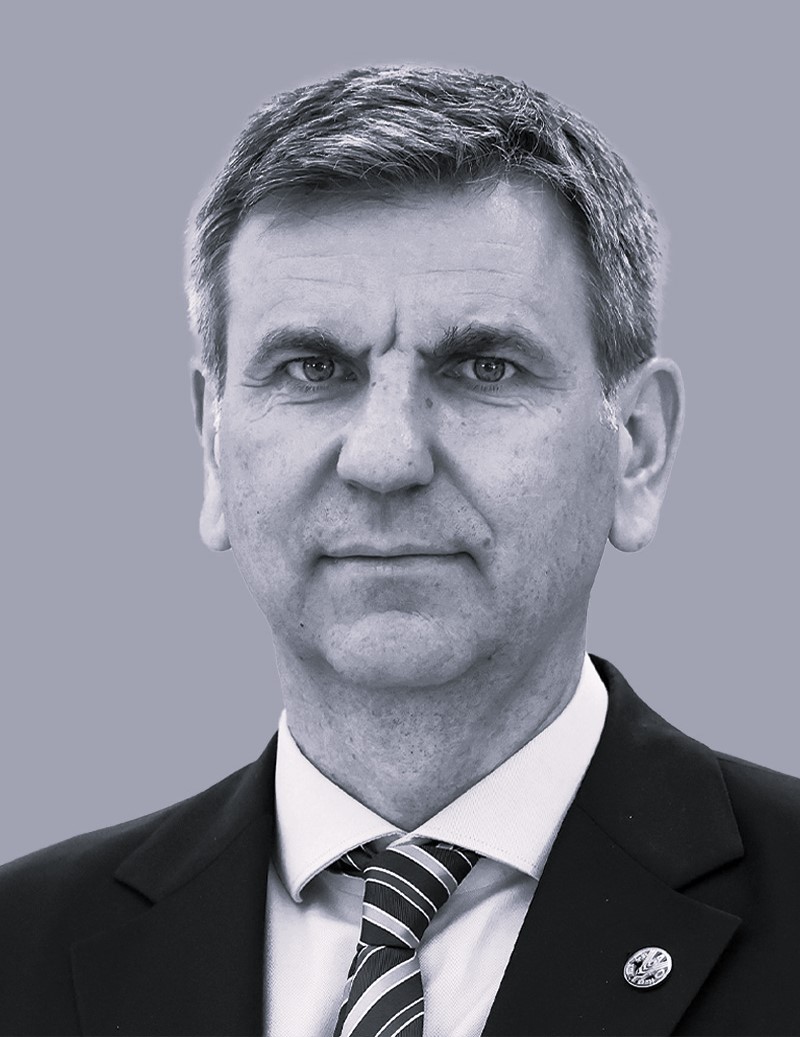
Dr. Viorel Gutu
Assistant Director-General, Regional Representative for Europe and Central Asia, FAO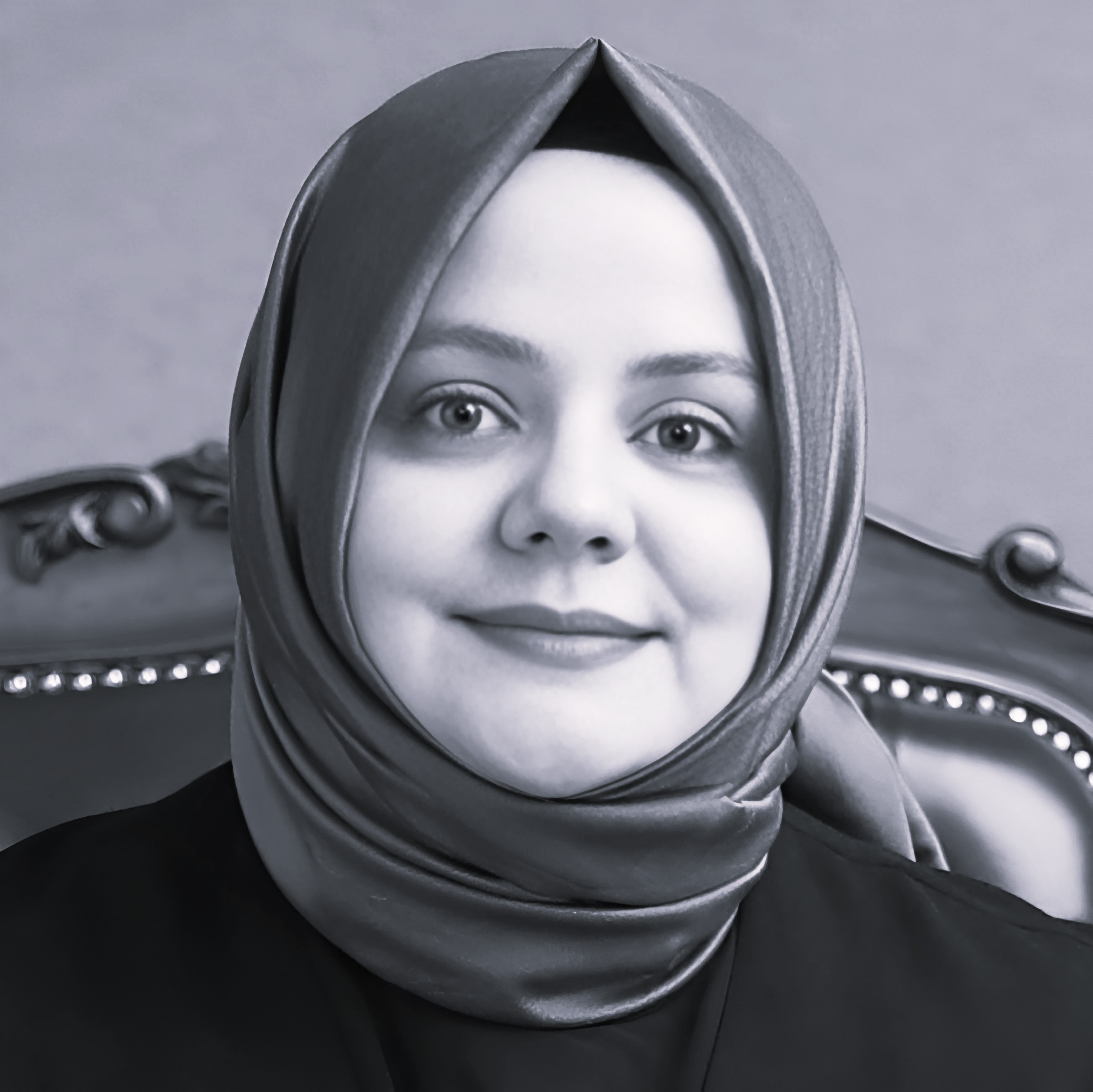
Zehra Zümrüt Selçuk
Director General, SESRIC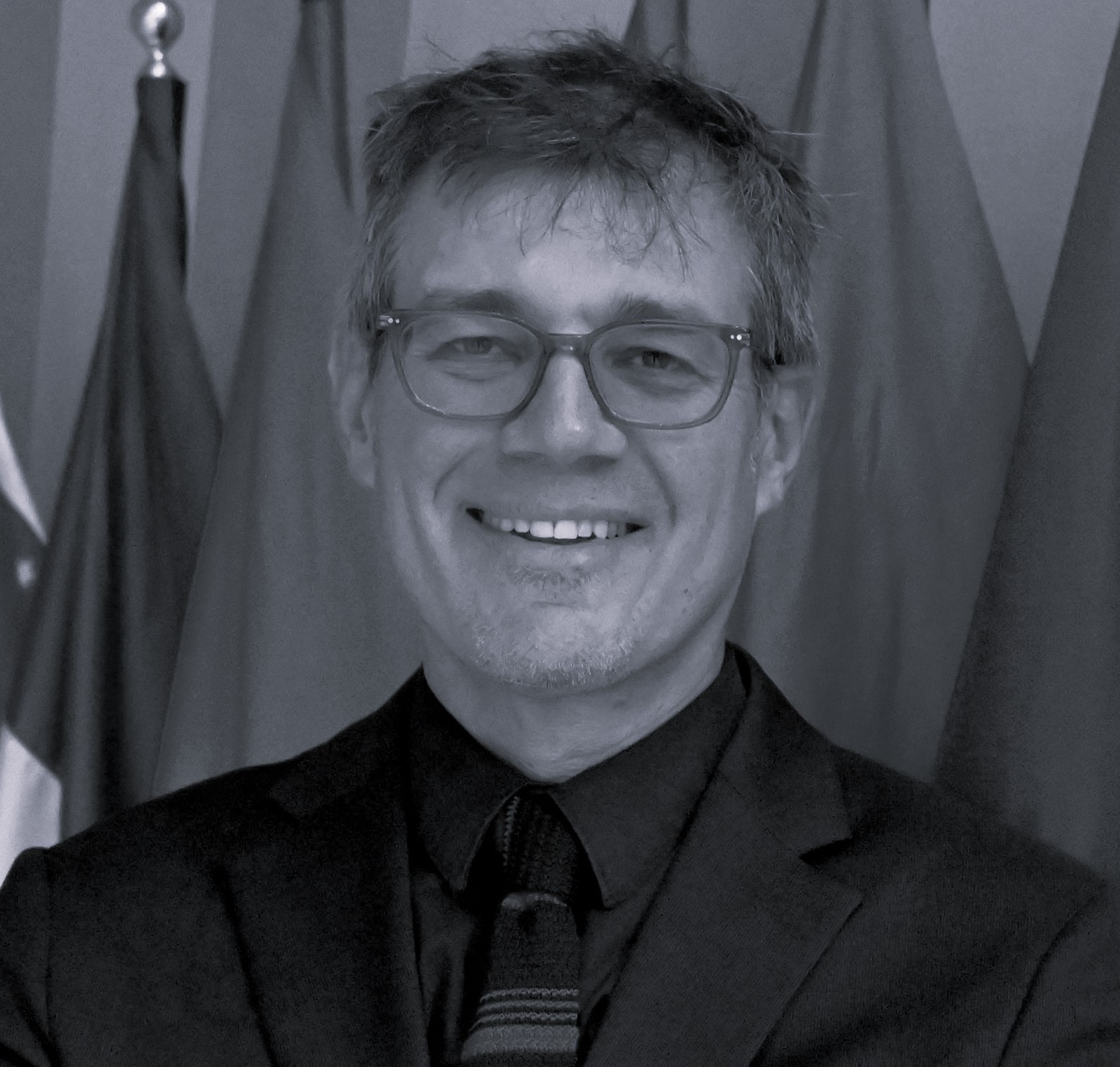
Joan Borrell
Deputy Secretary General for Stability and Resilience, Union for the Mediterranean (UfM)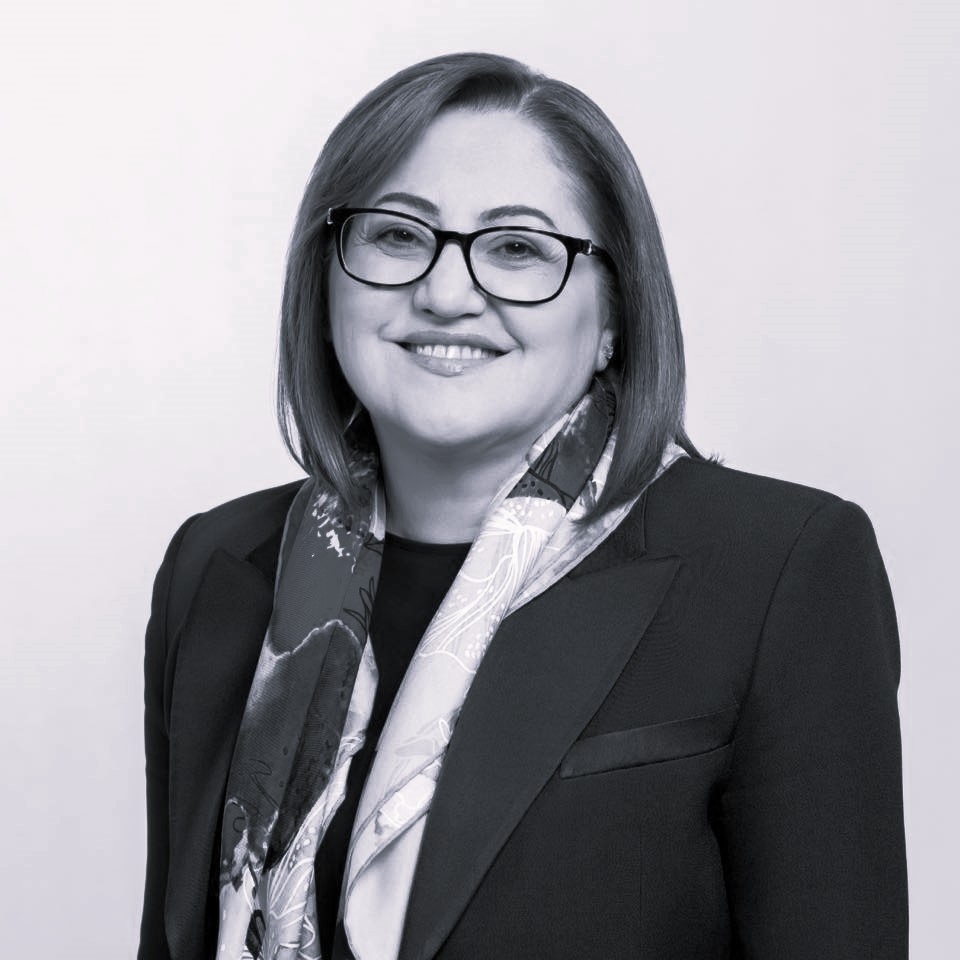
Fatma Şahin
Mayor, Gaziantep Metropolitan Municipality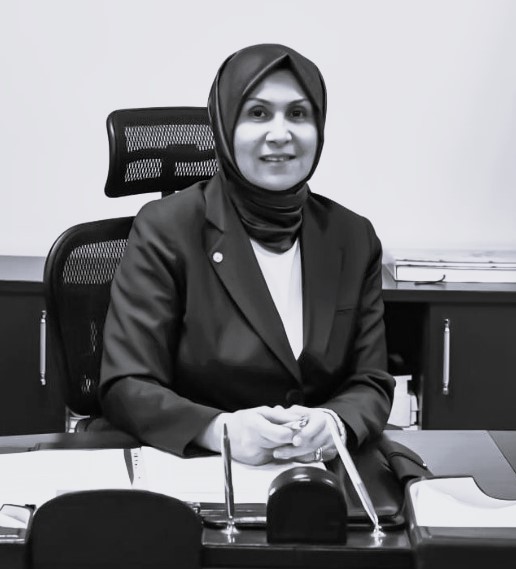
Afire Sever
Director General , General Directorate of Water Management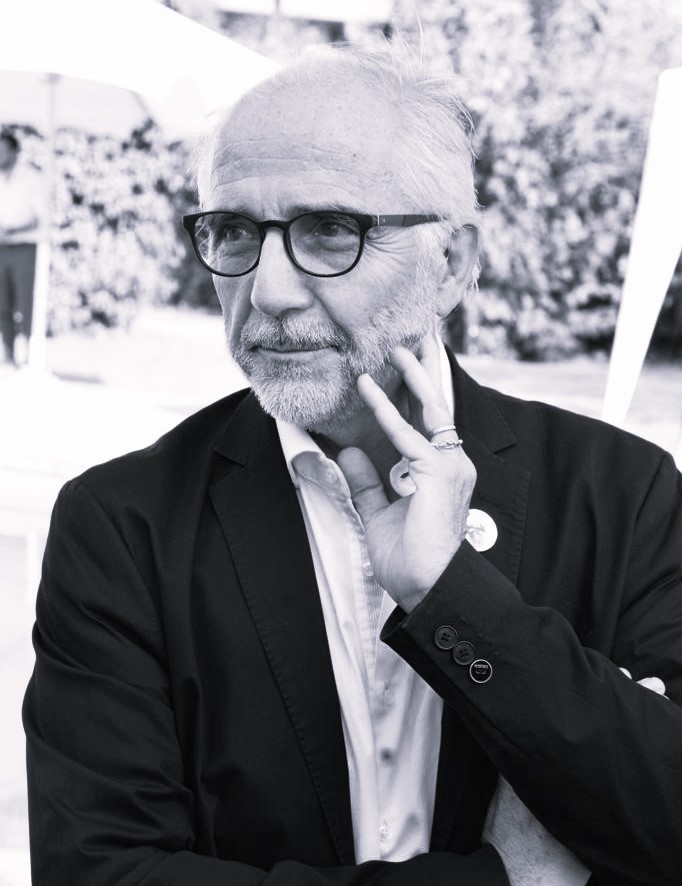
Alain Meyssonnier
President, Mediterranean Water Institute (IME)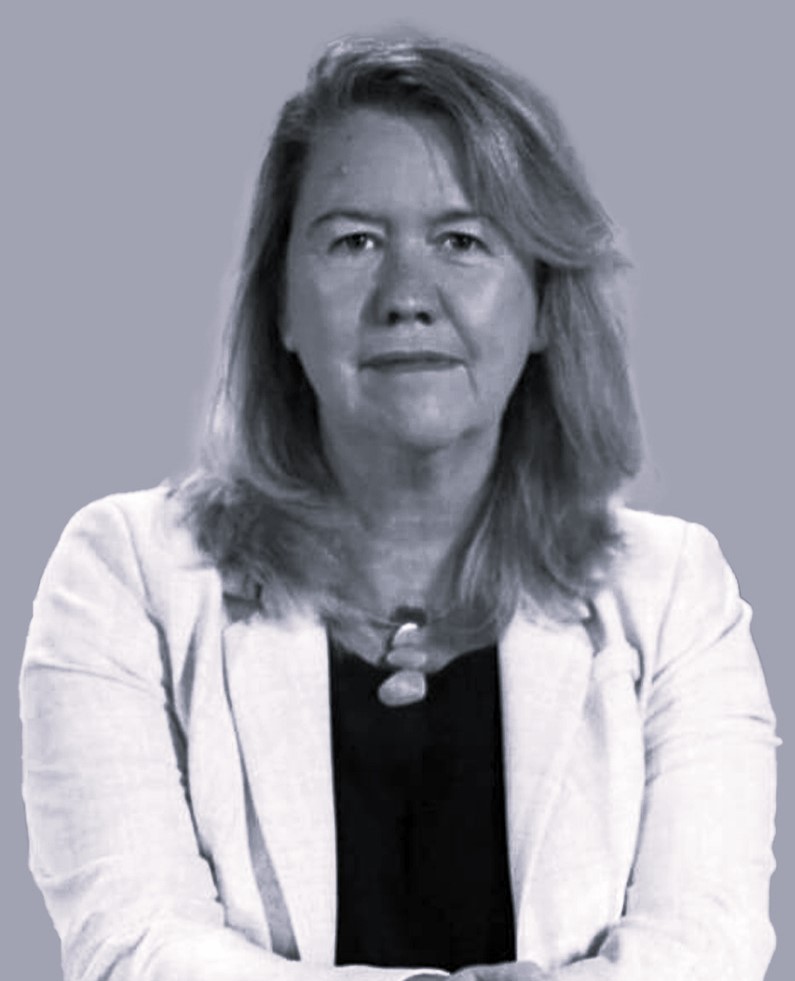
Lara van Druten
Advisory Board member to the Secretary General of the UN on Zero Waste - CEO and Founder, The Waste Transformers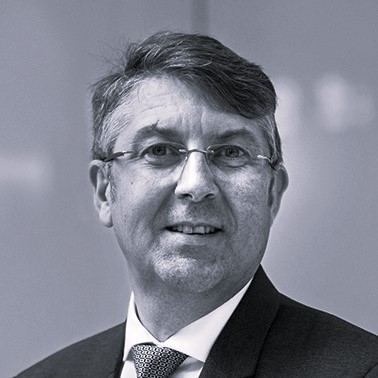
Teodor Popa
Vice President, International Association of Water Companies in the Danube Basin (IAWD) - Treasurer and Board Member, International Water Association (IWA)High Level Panel on Water Efficiency
The devastating effects of climate change, structural inefficiencies in water use, and exceeding the capacities of ecosystems necessitate a paradigmatic shift in international water policies. Water is not merely a resource, but an integral part of regional stability, economic competitiveness, public health, energy, food, and ecosystem components.
Water efficiency is one of the most powerful tools for sustainable development and increasing resilience against the impacts of climate change, while providing mutual benefits for all components involved in the food, water, energy, and ecosystem nexus.
From transitioning to pressurized systems in agricultural irrigation and process water recirculation in industry, to reducing water losses in urban infrastructure and real-time monitoring technologies, moving forward with measurable, verifiable, and reportable goals across a wide range of areas will support economic growth while reducing the risk of water scarcity. Achieving greater benefits with less water must be at the heart of future global policies.
The Water Efficiency session will provide a vital platform for policymakers, representatives of international organizations, scientists, and funding institutions to discuss solutions that will shape the future of water management in the context of food, water, energy, and ecosystem nexus connectivity. Sectoral interaction regarding water efficiency practices, prioritization of investments, and financial optimization are fundamental pillars of sustainable resource management.
Aligned with the Strengthening Water Resilience: Innovation to Action theme of the 5th Istanbul International Water Forum, the session also contributes to the global momentum toward the UNFCCC COP31 to be hosted by Türkiye and the UN 2026 Water Conference.
Objectives and expected outcomes:
- Positioning water efficiency as an integral component of climate change adaptation policies
- Assessing the need for transformation in effective and inclusive water governance at all levels in line with climate change, environmental impacts, quality, and quantity pressures
- Shaping water efficiency policies at local, national, and international levels within the framework of common principles
- Recommendations for strengthening the alignment between SDG 6.4 (Water use efficiency) targets and national strategies
- Highlighting the strategic role of water efficiency in the food-water-energy-ecosystem nexus
- Discussing the technical, institutional, and financial dimensions of water efficiency practices (pressurized irrigation, process water recirculation, water loss reduction, real-time monitoring technologies) in agriculture, industry, and urban infrastructure
- Developing climate-focused, sustainable, integrated water management models; contributing to increasing water resilience on a global scale; and ensuring digital transformation in this regard
- Creating an innovative and scalable megacity model for global water security
- Developing policy recommendations that will strengthen inter-sectoral (agriculture-industry-urban use) cooperation and symbiosis opportunities in water efficiency and integrate decision-making processes
- Prioritizing investments, optimizing financing mechanisms, and defining water efficiency
- To deliver forward-looking messages and recommendations feeding into the UN 2026 Water Conference and UNFCCC COP31
Keywords: Water efficiency; water governance; water-food-energy-ecosystem connectivity; climate adaptation; integrated water management and governance; water resilience; cross-sectoral cooperation; alignment with and contribution to SDG 6.4 (Water use efficiency).